
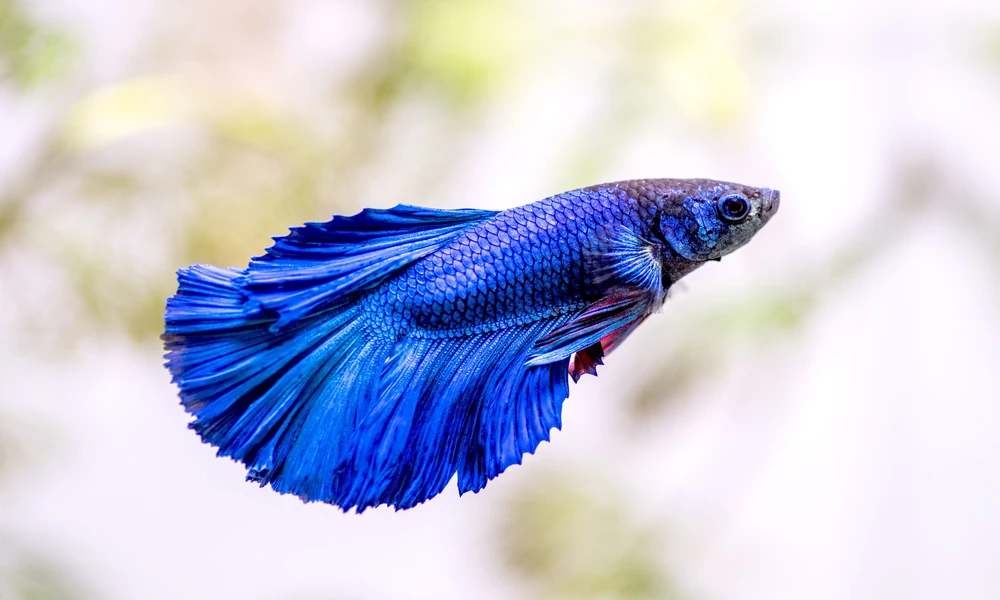
Searching for female fighter fish near me often comes with a specific set of questions, particularly around whether group housing is realistic. Here are clear answers to the most common ones.
Are females really less aggressive than males?
Generally yes, though they still establish clear hierarchies, particularly in group settings. Reduced aggression compared to males is what makes small group housing possible, but it doesn’t mean females are passive.
Can I keep females with other fish species?
Peaceful, fast-moving tankmates such as small tetras or corydoras catfish are often suitable, provided the tank is large enough and introductions are handled gradually and carefully.
How many should I buy if I want a group?
A minimum of five is generally recommended, introduced together into a large, well-planted tank, since smaller groups tend to concentrate aggression on a single individual rather than spreading it out.
Where’s the best place to buy locally?
Specialist sellers offering female fighter fish for sale near me who maintain dedicated systems and can advise on group compatibility are generally a better source than general pet outlets less familiar with the species’ social dynamics.
What should I look for in a healthy female?
Bright eyes, undamaged fins, even colouration, and confident swimming are the key indicators, the same standards that apply across the species regardless of sex.
Is a single female a reasonable choice?
Absolutely. A solo female still displays strong colour and personality without the added complexity of managing group dynamics, making it a sensible starting point for newer keepers.
How long does it take a group to settle?
The first two to three weeks are typically the most active as hierarchy forms, after which aggression usually settles considerably in a well-set-up tank.
Is it normal for colour to change after purchase?
Yes, to some extent. A female fighter fish that’s been stressed by transport or a change in water conditions can appear temporarily duller than it did in the shop, and colour typically deepens again over the following one to two weeks as the fish settles and stress hormones subside.
How often should the tank be cleaned?
A full teardown clean is rarely necessary and can actually disrupt the beneficial bacteria a tank relies on. A weekly partial water change of around 25 percent, combined with light gravel cleaning, is generally sufficient to keep water quality stable without unnecessarily stressing the fish.
Do they recognise their owner?
Many keepers report that their fish learns to associate them with feeding time, becoming more active and swimming toward the front of the tank when approached. This is a learned response to routine and movement rather than recognition in a complex sense, but it does make for a noticeably more engaging pet than many people expect from a fish.
Can they live with a filter that’s too strong?
A female fighter fish has relatively delicate fins and doesn’t cope well with strong water flow, which can cause exhaustion and stress over time even if water quality itself is fine. A filter with adjustable flow, or one baffled to reduce current, is generally a better choice than a standard filter designed for more robust species.
Is tap water safe to use?
Yes, provided it’s treated with a dechlorinator formulated for aquarium use, which neutralises chlorine and chloramine that would otherwise harm the fish. Most UK tap water is otherwise well within an acceptable range for this species once treated.
Do I need an air pump as well as a filter?
Generally no. A female fighter fish breathes atmospheric air via its labyrinth organ and doesn’t rely on dissolved oxygen the way many fish do, so a gentle filter alone is usually sufficient without the additional current an air pump and stone would introduce.
What’s the biggest mistake new keepers make?
Skipping the tank cycling process is consistently the most common and most damaging mistake. It’s tempting to buy the fish first and sort the tank out afterwards, but doing so exposes a new fish to exactly the ammonia and nitrite spikes that a properly cycled tank is designed to prevent.
How should I transport a new fish home?
Keep the journey as short and direct as possible, since a small bag of water changes temperature quickly. Once home, float the sealed bag in your tank for around fifteen minutes before gradually mixing in tank water, rather than releasing a female fighter fish straight into unfamiliar conditions.
Will every fish have the same personality?
No, and this is one of the more enjoyable surprises for new keepers. Some individuals are bold and inquisitive from day one, while others take a couple of weeks to become confident, and both patterns are entirely normal rather than a sign of differing health.
Is this an expensive pet to keep long-term?
Not particularly. Once a suitably sized tank, heater, and filter are in place, ongoing costs are limited to food, occasional water conditioner, and electricity, all of which are modest across a typical lifespan of two to three years.
Should I get advice from a specialist before buying?
It’s rarely necessary for straightforward cases, but if you’re unsure about tank size, water parameters, or compatibility with other fish, a specialist retailer stocking a genuine range of female fighter fish options is generally well placed to answer specific questions before you commit to a purchase.
Can I use decorations from other tanks?
Only after a thorough clean and, ideally, a period of quarantine, since decorations moved between tanks can carry parasites or bacteria that pose little risk to a hardy species but can affect a more sensitive female fighter fish. A quick rinse under tap water alone isn’t sufficient to eliminate this risk.
How do I know if my tank is properly cycled?
Consistent readings of zero ammonia and zero nitrite, alongside a measurable and gradually rising nitrate level, indicate that the beneficial bacteria colony needed to process fish waste safely has become established. Testing before introducing a fish gives a far clearer picture than waiting to see how the fish responds afterwards.
Is it worth keeping a spare heater or filter part on hand?
It’s a sensible precaution rather than a strict necessity. Equipment failure is uncommon but not impossible, and having a spare thermometer or filter part ready means a problem can be fixed quickly rather than leaving a female fighter fish exposed to unstable conditions for longer than necessary while a replacement is sourced.
Taking time to ask the right questions before buying, whether for a solo fish or a group, makes a meaningful difference to how smoothly the fish settle into their new home.