
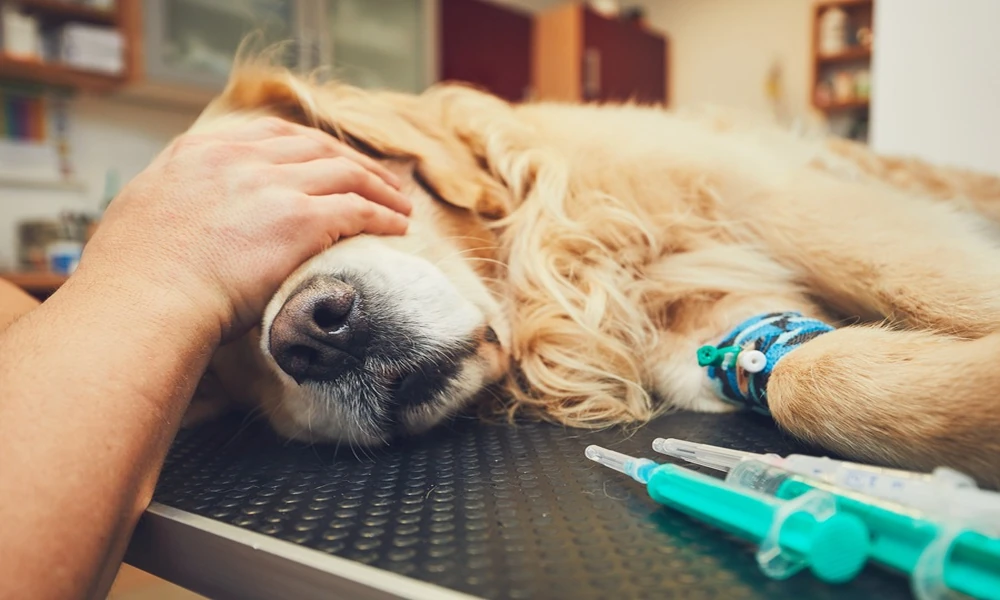
You might be staring at your pet’s surgery estimate or consent form, feeling your stomach twist a little. You know the procedure is supposed to help, yet the words “anesthesia” and “risk” keep echoing in your head. As a veterinarian in Durham NC, the car ride home after the appointment felt quieter than usual, and now you are replaying every “what if” in your mind.end
That worry is completely normal. Any time your pet needs a procedure, whether it is a simple dental cleaning or a complex surgery, you are being asked to trust people you may not know well with someone you love deeply. Because of this tension, it helps to understand what actually happens behind those treatment room doors and how veterinary hospitals work very deliberately to keep your pet safe.
In short, modern veterinary hospitals use careful screening, tailored anesthesia plans, continuous monitoring, and structured recovery protocols to reduce risk as much as possible. You are not just “signing a form.” You are giving a medical team permission to follow a safety process that has been built, tested, and refined for years.
Why does anesthesia for pets feel so scary, and what are hospitals really doing?
The fear usually starts with one thought. “What if my pet does not wake up?” You might remember an older story from a neighbor or something you saw online, and it is easy to imagine the worst. The problem is that your brain fills in all the gaps with fear, because you cannot see what is happening during the procedure.
Here is the reality. Anesthesia and surgery always carry some risk, but in healthy pets that risk is much lower than most people think. Modern veterinary anesthesia, especially in well equipped hospitals, is far safer than it was even a decade ago. Hospitals like Washington State University’s veterinary teaching hospital share that with proper screening and monitoring, anesthesia is routinely very safe for dogs and cats. You can read more about that in their guide on pets and anesthesia.
So where does the stress really come from? It usually comes from not knowing what questions to ask or what protections are already in place. When you understand the safety layers, the picture shifts from “mysterious and scary” to “serious, but managed.”
What are the main risks, and how do veterinary hospitals reduce them?
Think of a procedure as having three phases. Before, during, and after. Each phase has its own worries and its own safety nets.
Before the procedure, the biggest concern is whether your pet is healthy enough for anesthesia. You might worry about hidden heart disease, kidney problems, or age. This is why veterinary hospitals do pre anesthetic exams and blood work. The team listens to the heart and lungs, checks blood pressure if needed, and runs lab tests to make sure organs can handle medications. If anything looks concerning, they adjust the plan or postpone the procedure. In specialty centers like Tufts’ Foster Hospital for Small Animals, the anesthesia service builds customized plans for each patient based on these findings. You can see how they describe this process in their overview of veterinary anesthesia services.
During the procedure, the fear is usually about something going wrong suddenly. Could your pet stop breathing or have a heart problem without anyone noticing? This is where monitoring and trained staff matter. In a well run veterinary hospital, your pet is not “put under” and left alone. A veterinarian or anesthesia nurse is assigned to watch only anesthesia for that time. They track heart rate, breathing, oxygen levels, blood pressure, temperature, and depth of anesthesia. If anything starts to drift, they adjust medications, fluids, or breathing support quickly.
After the procedure, many people worry about the groggy hours, pain, or rare complications. Recovery is not just “waiting for them to wake up.” The team moves your pet to a quiet area, continues to monitor vital signs, and uses pain control plans that match the type of surgery. Teaching hospitals like Cornell describe how their anesthesiology services extend into pain management during and after surgery, so pets are not just safe, but also comfortable.
Because of all this structure, the “solution” is not to avoid needed procedures out of fear. The solution is to choose a hospital that uses these safety steps consistently and to partner with the team so your questions get real answers.
How do safety focused veterinary hospitals actually protect my pet?
It may help to see the difference between a more basic approach and the kind of layered safety that many full service veterinary hospitals use during pet medical procedures. The goal is not to scare you. It is to give you a clear picture of what to look for.
| Safety Area | Minimal Approach | Safety Focused Veterinary Hospital |
|---|---|---|
| Pre anesthetic check | Quick exam, no lab work for most pets | Full physical exam, tailored blood work, review of age, breed, and medical history |
| Anesthesia plan | Same drug protocol for most patients | Individual plan based on heart, lungs, age, weight, and type of procedure |
| Monitoring during anesthesia | Occasional checks of heart rate and breathing | Continuous monitoring of heart rhythm, oxygen, blood pressure, CO₂, temperature, and depth of anesthesia |
| Staffing | Shared attention between multiple patients | Dedicated doctor or technician focused on anesthesia for your pet throughout the procedure |
| Pain management | Single pain shot during or after surgery | Multi step pain plan before, during, and after surgery with adjustments as needed |
| Recovery | Basic observation until pet can stand | Monitored recovery, temperature support, and clear home care instructions to you |
When you picture all these pieces working together, it becomes easier to see that safe veterinary procedures for pets are not based on luck. They are based on systems, training, and communication.
What can you do right now to protect your pet during veterinary procedures?
You do not control the medical details, and that can feel hard. You do control your questions and your choices. Here are three concrete steps that can make a real difference.
1. Ask for a clear explanation of the anesthesia and safety plan
Before the procedure, say something like, “Can you walk me through how you will keep my pet safe during anesthesia?” A good veterinary hospital will explain the pre anesthetic exam, what monitoring equipment they use, who will be with your pet, and how they handle emergencies. If anything sounds vague, ask for examples. You are not being difficult. You are being a responsible caregiver.
2. Share every detail about your pet’s history and home life
Small details can matter. Tell the team about fainting episodes, coughing, previous reactions to medications, or unusual behavior after past procedures. Mention supplements, over the counter products, or any exposure to toxins. Share how your pet handles stress and car rides. The more the team knows, the more precisely they can plan, especially in a busy veterinary hospital setting.
3. Prepare for recovery at home before the procedure
Set up a quiet, warm, confined area for when you return. Have towels or blankets ready, along with any prescribed medications and an easy way to reach the clinic if you are worried. Ask in advance what is normal during recovery and what would count as an emergency. When you are tired and anxious after pickup, having this plan written down reduces panic and helps you notice real warning signs instead of every small wobble.
Where does this leave you as your pet’s procedure approaches?
You may still feel nervous, and that is okay. Caring deeply about an animal almost always comes with some fear when medical decisions arrive. What changes everything is moving from a place of helpless worry to informed partnership.
Now you know that when a veterinary hospital recommends a procedure, they are also thinking about pre screening, individualized anesthesia, continuous monitoring, and structured recovery. You know what questions to ask and what signs of a safety focused practice to look for.
Your job is not to become an anesthesiologist. Your job is to choose a team you trust, ask them to explain how they will protect your pet, and then allow yourself to breathe as they do the work they are trained to do.
Your pet does not understand consent forms or risk percentages. They only understand that you keep showing up for them. By learning how veterinary hospitals ensure pet safety during procedures, you are already doing exactly that.