
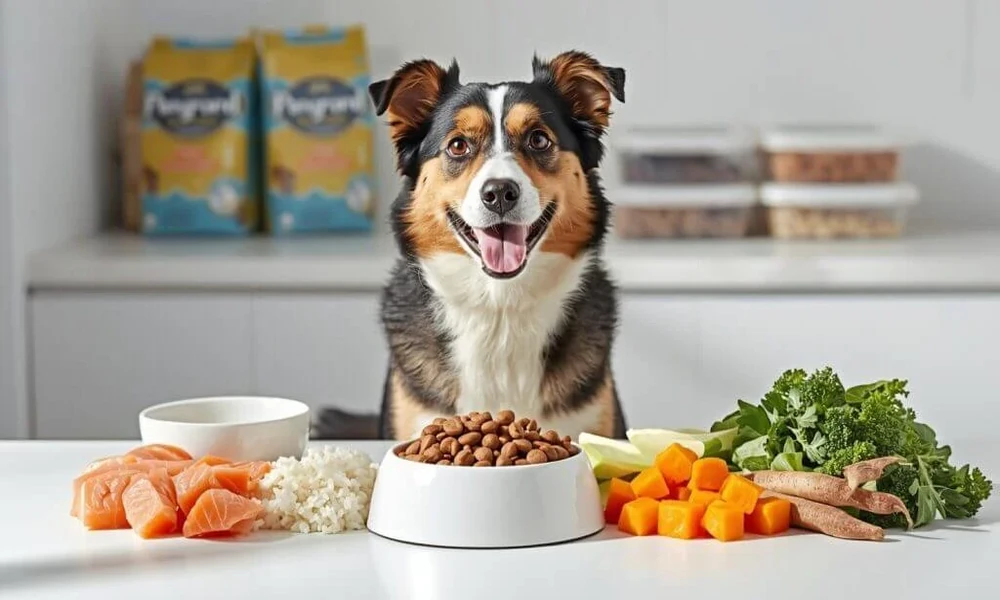
A healthy diet does a lot for your dog’s overall well-being. A low-fat diet can be important to consider, too. Like dogs with medical problems or weight and digestive issues, they often do better with lower-fat food. This allows them to still maintain balanced nutrition.
There are many types of low fat dog food (ドッグフード 低 脂肪) in the market today. If you know what to look for, you can pick one that can actually support your dog’s health and nutritional needs.
The Importance of a Low-Fat Diet in Dogs
Before you switch your dog’s food, first figure out why you need to do it. Veterinarians often recommend low-fat diets for dogs with weight problems. This is also recommended for pets with certain health issues. And sometimes dogs may also need this as they get older. They become less active, so they do not need the energy-giving food.
Choose Dog Food with High-Quality Protein
Even if you’re trimming down the fat content, dogs still need enough protein. Ensure you check the label and choose foods with high-quality animal protein. Check if it’s listed in the ingredient list. When protein is of good quality, your dog will have enough protein source even if you are cutting them down on fat.
Pick a Complete and Balanced Formula
A low-fat dog food should not feel like it’s just “less fat.” It must also include the right amounts of vitamins, minerals, good carbohydrates, and dietary fiber. This way, your dog gets complete nutrition. Find food types that may also help your dog feel more satisfied between meals.
Consider Your Dog’s Age and Size
Nutritional needs change with a dog’s life stage. Puppies, adult dogs, and senior dogs tend to have different nutrient needs. Small breeds and large breeds often have different calorie requirements, too. Choosing a formula made for your dog’s age and size is important. This makes things easier when maintaining proper nutrition.
Focus on Healthy Digestion
Many low-fat dog food options include ingredients to support digestion. Fiber is important for dogs. This can help with bowel movements. Some formulas also include prebiotics plus probiotics for a healthy digestive process.
Read the Ingredients
Make sure that you closely check the ingredient list. Avoid products with too many fillers. Also watch for artificial colors, artificial flavors, or preservatives. They don’t really bring much nutrition for your dogs. Every recipe is different, but in general, pick foods built from wholesome ingredients.
Transition to the New Food Gradually
If you change your dog’s food too fast, you might trigger digestive problems. Bring in the new low-fat alternative slowly into their diet. Start by mixing a small amount into what your dog is already eating. You can gradually raise the amount over a couple of days. This way, the digestive system gets time to adjust.
Consult Your Veterinarian Before Changing Diets
Before making a major dietary change, it’s smart to consult your veterinarian. They can recommend the best low-fat dog food based on your pet’s age, weight, activity level, and overall health. If you have a Cavapoo, your veterinarian can also help determine whether a low-fat diet is appropriate for their individual nutritional needs. For dogs with existing health issues or digestive problems, a veterinarian may recommend a specialized diet or other supportive care to ensure their nutritional requirements are properly met.
Conclusion
Choosing the best low-fat dog food is more than just following others’ recommendations. Do not simply grab one with the lowest fat percentage. Consider your dog’s health needs. Before you pick the dog food, do a proper check on the nutritional profile and the ingredients. The right low-fat option for your dog can keep a healthy weight in check, assist digestion, and still give your dog that just enough energy for the day without going overboard.