
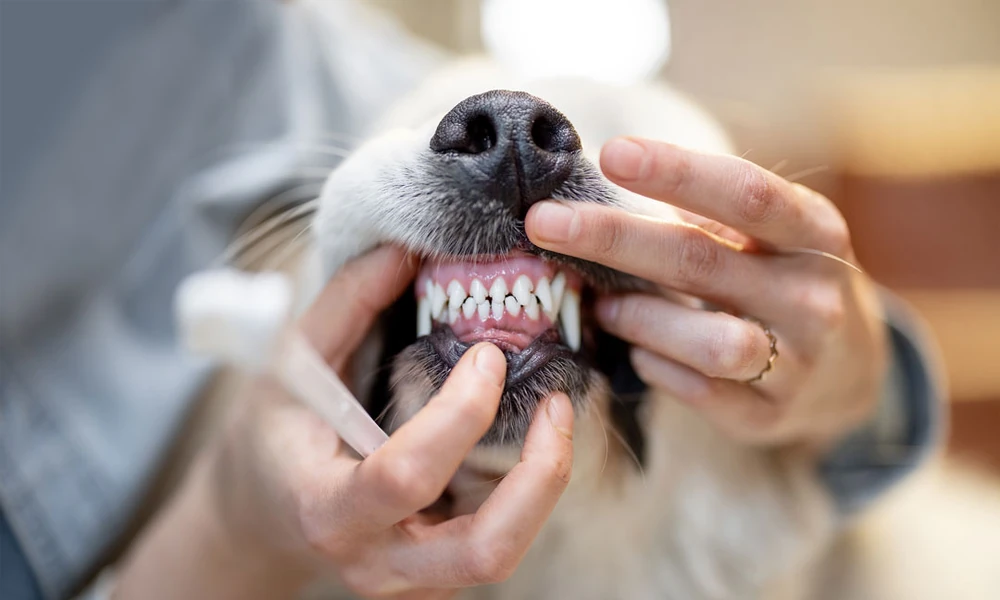
You might have noticed the little signs first. Bad breath that seems stronger than it used to be. A pet who still wants to eat, but chews more slowly, drops kibble, or pulls away when you touch the mouth. It is easy to wonder if this is just part of getting older, and it is just as easy to put it off when life is busy. Still, dental disease rarely stays small. The short version is simple. Routine dental cleanings at a veterinary hospital, especially with a veterinarian in South Houston, can ease pain, lower the risk of infection, protect teeth, and support your pet’s overall health.
That matters because mouth problems are not only about smell or stained teeth. They can affect comfort, appetite, behavior, and even the health of the heart, liver, and kidneys when bacteria and inflammation build over time. If you have been unsure whether professional care is really worth it, that hesitation makes sense. You want to do what helps, not put your pet through something unnecessary. So, where does that leave you?
Why can dental disease in pets become a bigger problem than it looks?
Plaque begins as a soft film, then hardens into tartar. Once that happens, brushing at home cannot remove what has formed under the gumline. This is where trouble often grows quietly. Gums become inflamed, pockets can form around teeth, and bacteria can settle deeper into tissue. A dog or cat may keep eating because animals often hide pain well, which can make the issue seem less serious than it is.
Because of this tension, many owners wait until there is obvious pain, swelling, loose teeth, or refusal to eat. By then, treatment may be more involved and more costly. A cleaning at a veterinary hospital is not just a cosmetic service. It allows the team to assess the mouth in a way that is hard to do in an awake, stressed pet. That includes checking under the gums, looking for damaged teeth, and using dental X rays when needed to find disease you cannot see from the surface.
This is one reason veterinary dental cleanings improve outcomes. They help catch disease early, when a problem may be managed before it turns into extractions, infection, or chronic pain. If you want a plain language overview of what good dental care looks like, the AVMA offers a helpful pet dental care brochure.
What makes a cleaning at a veterinary hospital different from cleaning teeth at home?
Home care matters, and it can make a real difference between visits. Still, home care and hospital care do different jobs. Brushing helps slow plaque buildup on visible tooth surfaces. Professional cleaning addresses hardened tartar, the area under the gumline, and signs of disease that need medical attention. One supports the other.
Think of it this way. If your pet has red gums and hidden buildup below the surface, a dental chew or brushing alone will not fix what is already there. A veterinary team can perform an oral exam, clean above and below the gumline, polish the teeth, and create a plan based on what they find. That is why many pets feel better after treatment, even when owners did not realize how uncomfortable the mouth had become.
Want a closer look at what hospital based dental care can include? The University of Georgia Veterinary Teaching Hospital explains pet dental care in a clear and practical way.
How do professional pet teeth cleaning services compare with home care?
It helps to see the difference side by side, especially when you are trying to balance cost, time, and your pet’s comfort. The table below shows where each approach fits.
| Care Option | What It Helps With | Limits | Best Use |
|---|---|---|---|
| At home brushing | Reduces plaque on visible tooth surfaces, freshens breath over time | Does not remove tartar, cannot clean under the gumline | Daily prevention between hospital visits |
| Dental chews or rinses | May reduce some plaque and odor | Results vary, does not treat existing gum disease | Supportive care for pets who tolerate approved products |
| professional pet teeth cleaning at a veterinary hospital | Removes tartar, cleans under the gumline, allows full exam and dental X rays when needed | Requires scheduling and cost planning | Diagnosis, treatment, and deeper prevention |
In real life, the strongest plan is usually both. Regular home care slows new buildup, while a pet dental cleaning at a veterinary hospital finds and treats what home care cannot reach. That combination often means fewer painful surprises later.
What can you do right now to protect your pet’s mouth and overall health?
1. Look for small changes, not just major pain.
Watch for bad breath, drooling, pawing at the mouth, slow chewing, bleeding gums, or a change in mood. A pet who seems irritable or less playful may be dealing with mouth pain. Small clues matter.
2. Ask for a dental exam at your next veterinary visit.
If your pet has never had a full dental assessment, this is a good place to start. Ask what the gums look like, whether tartar is present, and whether a cleaning is recommended now or should be planned soon. If your pet is older or has health issues, ask how the team evaluates safety before a procedure.
3. Start a realistic home care routine.
You do not need a perfect routine on day one. Even brushing a few times each week can help if you build up slowly and use pet safe toothpaste. If brushing is not possible yet, ask which dental diets, rinses, or chews are appropriate for your pet. The goal is consistency, not perfection.
When you are weighing the cost, what is the real value of veterinary dental care?
It is normal to think about the price of a cleaning. But it also helps to think about the cost of waiting. Advanced dental disease can mean extractions, infection, pain medication, and a pet who has been uncomfortable for months without showing it clearly. Early care often protects both health and budget by reducing the chance of bigger treatment later.
Your pet depends on you to notice what they cannot explain. If you have been on the fence, you are not alone, and you are not behind. The next good step is simply to ask for a dental evaluation at a veterinary hospital and make a plan from there. A cleaner mouth often means easier meals, less pain, fresher breath, and a healthier pet overall.