
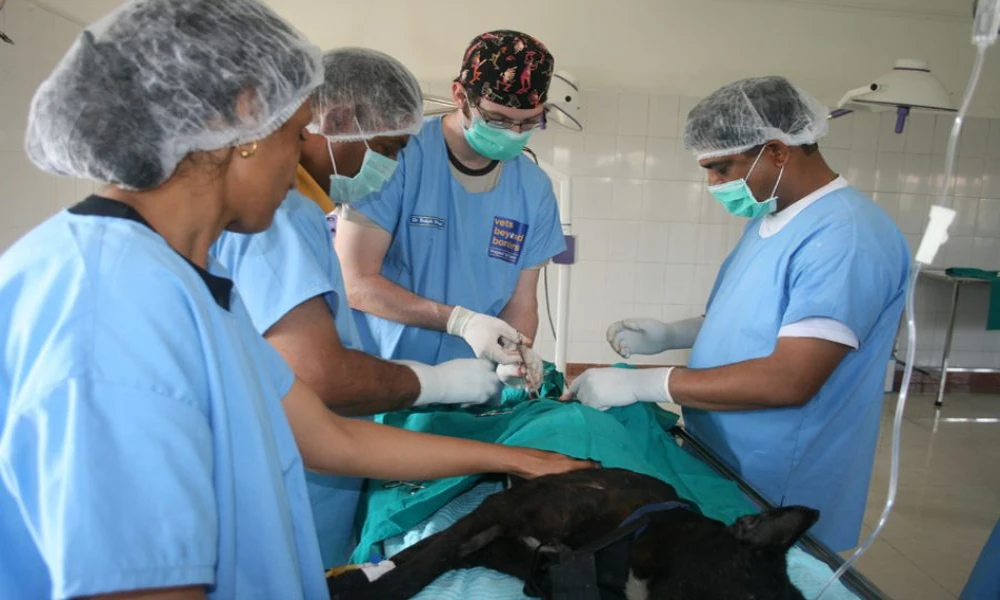
You might think of a veterinary clinic as the place you go when your pet is sick, limping, or overdue for vaccines. That is often where the story starts. Then, over time, you begin to see something bigger. A good clinic, such as a veterinarian in Watertown, NY, does far more than treat illness. It helps prevent suffering, supports safer homes, guides better care, and connects animals and people to resources they may not have known existed. If you have ever wondered whether animal care goes beyond exams and medicine, the short answer is yes. Veterinary teams often shape animal welfare in quiet, steady ways that matter every day.
That matters because animal welfare is rarely just one emergency or one appointment. It is the daily quality of an animal’s life. It is pain control, nutrition, behavior support, safe housing, and early intervention before a problem turns into a crisis. When clinics help with those pieces, they are not just fixing problems after the fact. They are helping protect animals before harm grows.
Why does animal welfare through veterinary care reach far beyond the exam room?
When an animal is unwell, the first concern is obvious. You want answers, relief, and a plan. But what happens when the issue is not only medical? What if a dog keeps getting ear infections because of untreated allergies, poor grooming, or stress in the home? What if a cat is urinating outside the litter box because of pain, fear, or a poor living setup rather than “bad behavior”? These are moments when a veterinary clinic can improve life in ways that go beyond treatment alone.
Clinics often educate pet owners on preventive care, weight management, parasite control, dental health, and behavior. Those topics may sound routine, yet they have a direct effect on suffering. An overweight dog may struggle with joint pain for years. A pet with untreated dental disease may keep eating while living with constant discomfort. A fearful animal may seem difficult when it is actually overwhelmed. In each case, guidance from a veterinary team can change the animal’s day to day life.
This is also where animal welfare support from veterinary clinics becomes more visible. Many clinics work with shelters, rescue groups, and community programs. They may help with low cost vaccine days, spay and neuter referrals, humane education, and public outreach. The USDA offers useful animal welfare resources that show how welfare depends on proper care, oversight, and informed decisions. Veterinary clinics often help put those ideas into practice at the local level.
What problems can a veterinary clinic help prevent before they turn serious?
Sometimes the hardest part of caring for an animal is not knowing what you are missing. A pet may look fine while pain builds slowly. A family may want to do the right thing but feel stretched thin by time, cost, or confusing advice online. Because of that tension, you might wonder where a clinic’s wider role really shows up.
It shows up in prevention. Regular wellness visits can catch skin disease, heart murmurs, dental issues, arthritis, and nutritional problems early. It shows up in behavior support. A clinic can help you tell the difference between disobedience and distress. It shows up in public health too. Vaccination, parasite control, and sanitation protect other animals and the people around them.
It also shows up in community education. Veterinary schools and clinics often support outreach that improves care standards beyond one household. Ohio State highlights the value of outreach and engagement in building stronger animal and community health connections. Cornell also shares examples of community impact through programs that expand access, education, and support. Those efforts reflect a wider truth. Veterinary clinics and animal well being are closely linked, even when no surgery or emergency visit is involved.
How does prevention compare with waiting until there is a crisis?
When budgets are tight, it can be tempting to wait until a pet clearly needs help. That instinct is understandable. Still, waiting often leads to more pain for the animal and higher costs for the family. A simple comparison makes the difference easier to see.
| Approach | What It Often Includes | Likely Effect on Animal Welfare | Likely Cost Pattern |
|---|---|---|---|
| Preventive veterinary care | Wellness exams, vaccines, dental checks, nutrition advice, behavior screening, parasite control | Earlier relief, less suffering, safer home routines, better long term comfort | More predictable and often lower over time |
| Crisis only care | Emergency visits, advanced illness treatment, urgent pain management, hospitalization | Longer periods of hidden pain, more stress, greater risk of complications | Less predictable and often higher at once |
The point is not to shame anyone for waiting. Life happens. Costs rise. Schedules get packed. Still, understanding the tradeoff can help you make choices that support both your animal and your household. In many cases, a veterinary clinic can help you build a realistic care plan instead of leaving you to react when things fall apart.
What can you do right now to support better animal welfare?
1. Schedule care before there is a clear problem.
If your pet has not had a wellness exam recently, start there. Ask about pain screening, dental health, body condition, behavior changes, and parasite prevention. Basic questions often uncover issues that animals cannot explain on their own.
2. Pay attention to daily quality of life.
Look beyond eating and sleeping. Is your pet moving less, hiding more, grooming poorly, snapping when touched, or avoiding stairs? Those changes can signal pain, fear, or stress. A veterinary clinic can help connect those signs to a plan, which is one reason how veterinary clinics contribute to animal welfare beyond treatment matters so much in real life.
3. Ask about support outside standard treatment.
Many clinics can point you toward training help, nutrition counseling, low cost services, rescue partnerships, or behavior resources. If money is a concern, say so early. If your pet’s needs feel complicated, say that too. You do not need to have the perfect words. You just need to start the conversation.
So where does that leave you and your pet?
It leaves you with a broader view of what a veterinary clinic can do. Yes, clinics diagnose illness and treat injury. They also help reduce suffering before it becomes obvious, teach families how to care for animals more safely, and strengthen the systems that protect pets and other animals in the community. That is the deeper value of veterinary care. It supports health, comfort, dignity, and a better daily life.
If your pet has been showing changes, or if you simply want a clearer plan for prevention, now is a good time to reach out to a trusted veterinary clinic and ask what support is available beyond treatment alone.