
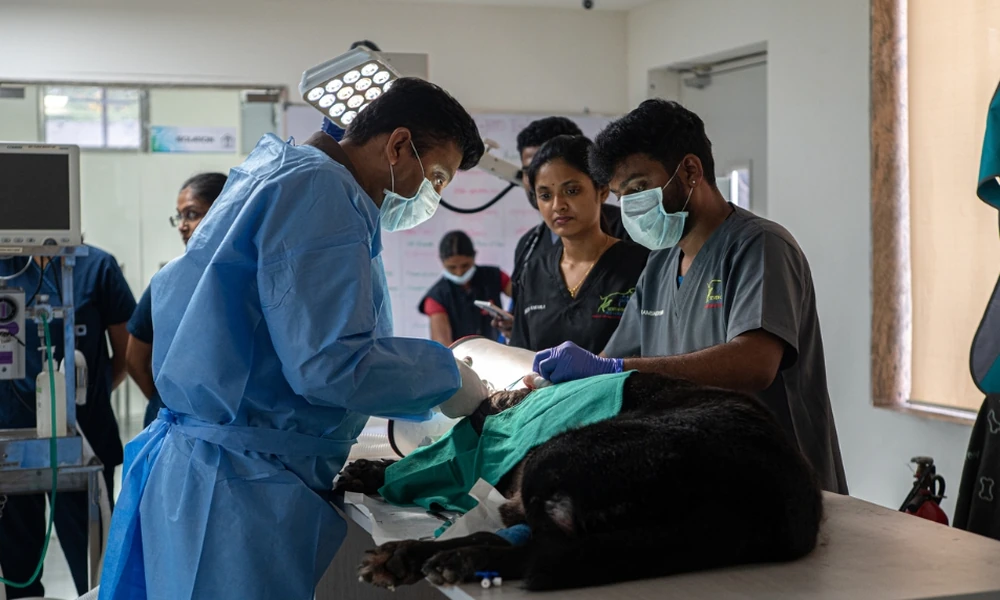
You might be here because something shifted overnight. Yesterday your pet was racing around the house, and today you are staring at an X‑ray or a lab report, hearing the word “surgery” and feeling your stomach drop. You may be trying to listen to every word the veterinarian in Mason, MI is saying, while a quiet part of you is asking, “Is my pet going to be okay? How do I make the right decision?”
This mix of fear, confusion, and urgency is very common. When a dog or cat needs an operation, you are not just weighing a medical choice. You are protecting a family member. You might worry about the anesthesia, the pain, the cost, and what recovery will look like. You also want to know if a full service veterinary hospital can really handle what your pet needs, or if you should look for a specialist.
Here is the short version. Full service veterinary hospitals offer a wide range of surgical services, from routine spays and neuters to advanced orthopedic and soft tissue procedures. They can coordinate diagnostics, surgery, and aftercare under one roof, and when needed they refer to or include board‑certified surgeons. Your job is to understand what type of surgery your pet needs, what level of care the hospital provides, and which questions to ask so you can feel confident saying “yes” or “no.”
What types of surgeries do full service veterinary hospitals actually offer?
When you hear “surgery,” you might picture a very dramatic emergency. In reality, surgical services for pets sit on a wide spectrum. Some procedures are planned months in advance. Others happen within hours.
Most full service veterinary hospitals can perform routine procedures such as spays, neuters, and mass removals. Many also manage more advanced operations, sometimes with the help of board‑certified small animal surgeons who either work in the hospital or take referrals from it. For example, hospitals similar to the small animal surgery service at a teaching hospital may handle fractures, joint problems, and complex abdominal surgeries under the same roof as general care.
So what might this look like in real life?
Imagine a middle‑aged Labrador who suddenly cannot put weight on a back leg. X‑rays show a torn cruciate ligament in the knee. In many full service hospitals, your pet can have blood work, imaging, a surgical repair of the ligament, and a tailored rehab plan, all coordinated by the same team. In another scenario, a cat with repeated urinary blockages might need a surgery to change the way urine leaves the body. A full service hospital that offers advanced veterinary surgical care could plan that procedure and manage the delicate post‑operative care that follows.
Some hospitals also work closely with university centers. For example, if your pet needs highly specialized soft tissue surgery such as a complex liver, lung, or urinary tract procedure, hospitals might refer or model their care on services like the soft tissue surgery programs at academic small animal hospitals. That connection can give you access to very advanced techniques along with a clear, organized plan.
Why does surgery for pets feel so overwhelming, and what should you be worried about?
The moment surgery is mentioned, a few thoughts usually rush in at once. You may worry about your pet not waking up from anesthesia. You may picture them in pain. You may silently do math in your head, wondering how you will pay for all of this. Each of these worries is understandable, and each can be addressed with information and planning.
First, anesthesia. Modern veterinary anesthesia is far safer than many people realize. Full service veterinary hospitals typically use pre‑operative blood work to screen for hidden problems, tailor drug choices to your pet’s age and health, and monitor heart rate, blood pressure, and oxygen levels throughout the procedure. No one can promise zero risk, but the risk can be measured and managed. A healthy young dog having a routine spay faces a very different risk profile than an elderly cat with heart disease needing emergency surgery, and your veterinarian should explain that difference plainly.
Then there is the fear of pain. You do not want your pet to suffer. Neither does your veterinary team. Pain control is now a central part of veterinary surgery services. It may include a combination of injectable medications, oral drugs, nerve blocks, and sometimes local anesthetic infusions placed at the surgical site. The goal is not just to make your pet comfortable but also to help them heal faster, since pain can slow recovery and reduce appetite and movement.
Money is often the quiet stressor in the room. Many people feel embarrassed bringing up cost, yet it shapes what is possible. Full service hospitals generally know the typical price ranges for their procedures. They can often provide written estimates and may offer payment options or third‑party financing. It is not rude or insensitive to ask. It is responsible. Ignoring the financial piece usually leads to more anxiety, not less.
So where does that leave you when you are staring at a treatment plan, unsure what to do next?
It leaves you needing clarity on three things. What exactly is wrong with your pet. What surgery is being recommended and why. What the realistic outcomes and risks look like for your particular animal, not just “in general.” Once you have those answers, the choice, while still emotional, usually becomes clearer.
How do different surgical options and care settings compare?
Different hospitals and different procedures carry different tradeoffs. It can help to see those tradeoffs side by side, especially when you are deciding between “wait and watch” and “operate now,” or between a basic clinic and a full service or referral hospital.
| Option | Typical Scenario | Benefits | Risks or Limitations |
|---|---|---|---|
| Conservative management (no surgery) | Mild injuries, small masses, early joint disease | Lower immediate cost. No anesthesia. Useful if surgery risk is very high. | Problem may worsen. Pain may persist. Some conditions cannot be fixed without surgery. |
| Surgery at a general full service veterinary hospital | Routine spay/neuter, many mass removals, some orthopedic and abdominal surgeries | Care under one roof. Familiar team. Often more affordable than specialty centers. Good for many common procedures. | Complex or rare cases may exceed available equipment or experience. |
| Surgery with a board‑certified specialist or teaching hospital | Complex fractures, spinal surgery, advanced soft tissue or cancer surgery | High level of specialized training. Advanced diagnostics and monitoring. Access to newer techniques. | Usually higher cost. May require travel. Less familiar environment for you and your pet. |
| Emergency surgery at any available facility | GDV (bloat), hemoabdomen, life‑threatening internal bleeding, blocked intestines | Fast action can save life. Staff accustomed to critical cases. | Limited time to compare options. Costs can be significant. Recovery may be longer. |
Looking at this kind of comparison, you can start to ask more focused questions. For example, if your pet needs a cruciate ligament repair, you might ask your full service hospital how many of those surgeries they perform in a month, what their typical outcomes are, and whether a referral surgeon might add any benefit. If your cat needs a mass removed, you can ask whether it can be done at the general practice or if there is a reason a specialist would be better.
What practical steps can you take right now to protect your pet and your peace of mind?
1. Get a clear, written explanation of the diagnosis and the surgery
Ask your veterinarian to explain, in plain language, what is wrong with your pet and what the surgery will actually do. Request this in writing if possible. Key points to clarify include what organ or structure is involved, what will be removed, repaired, or repositioned, how long the procedure usually takes, what the success rate is for your pet’s specific age and condition, and what the most common complications are.
When you have this information on paper, it is easier to reread it at home, share it with family, or get a second opinion if you choose.
2. Discuss anesthesia, pain control, and aftercare in detail
Before you agree to surgery, ask who will monitor anesthesia, what equipment they use, and how your pet’s pain will be managed during and after the procedure. Ask what the first 24 to 72 hours at home will look like. Will your pet need a crate, a sling, or ramps. How often will medications be given. When should you worry and call.
Clear aftercare instructions are as important as the surgery itself. Many complications arise not from the operation, but from confusion about what is normal during healing. A good full service veterinary hospital will walk you through this step by step.
3. Plan for costs and possible complications before surgery day
Request a written estimate that includes the procedure, anesthesia, hospitalization, medications, and any recommended follow up visits or repeat imaging. Ask if there are separate charges if complications occur, such as additional hospital days or emergency rechecks.
If the estimate is more than you can manage, say so honestly. Sometimes the team can adjust the plan while still providing safe care, for example by spacing out diagnostic tests or choosing a different type of implant for orthopedic procedures. In other cases, they can help you explore payment plans, third‑party credit, or pet insurance benefits if you have coverage. Facing the financial picture before surgery day reduces the chance of painful surprises afterward.
How can you move forward with more confidence and less fear?
When a pet needs surgery, it can feel like your life stops and everything else fades into the background. Yet you do not have to become a medical expert overnight. Your role is to ask clear questions, choose a veterinary hospital that communicates openly, and partner with the team that will care for your animal before, during, and after the procedure.
Full service veterinary hospitals are designed to surround your pet with coordinated care. They bring together diagnostics, surgery, nursing, and follow up in one place. That structure can spare you some of the burden of juggling appointments and records, and it allows the staff to really get to know your pet as an individual.
You are allowed to be anxious. You are allowed to ask for time to think, to seek a second opinion, or to say that you are scared. None of that makes you a bad guardian. It makes you a careful one.
The next step is simple, even if it feels heavy. Reach out to your trusted veterinary hospital, share your concerns openly, and use the questions and comparison points above to guide the conversation. With the right information and a team that listens, you can make a choice that honors both your pet’s health and your own peace of mind.