
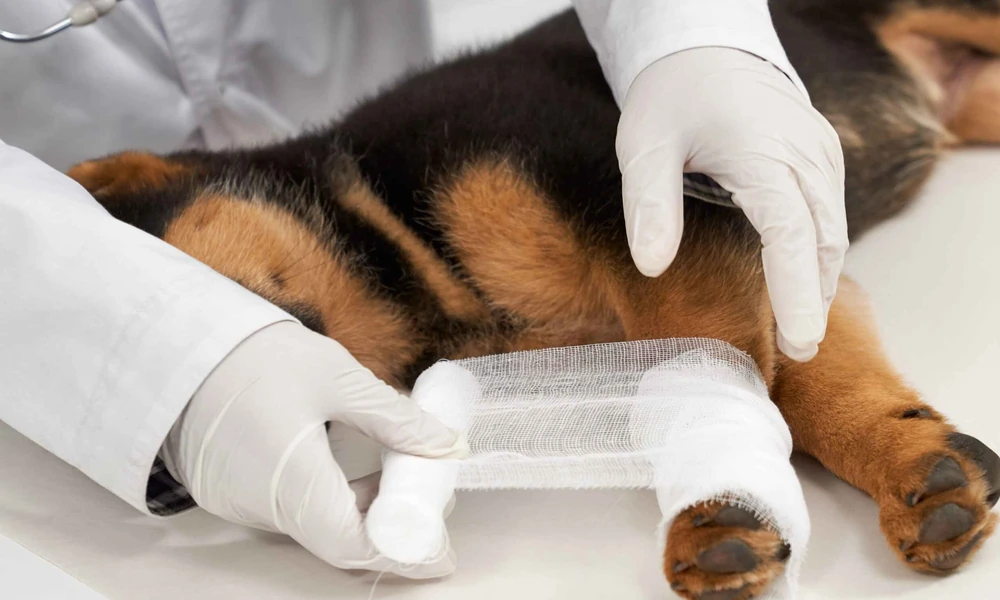
You might be feeling that sharp rush of fear that comes when your pet is suddenly not okay. One minute, everything seems normal, and the next, your dog cannot stand, your cat is struggling to breathe, or you notice something that simply does not feel right. In moments like that, time gets strange. You want answers fast, but you also want to make the right call. That is where understanding how an animal hospital in Oakville and other animal hospitals provide around the clock help can bring a little calm into a very stressful moment.
The short version is simple. How Animal Hospitals Provide 24/7 Emergency Support comes down to trained teams, constant monitoring, fast triage, access to imaging and labs, and a system built to respond when regular clinics are closed. If your pet has a true emergency, a 24 hour veterinary hospital can assess the problem, stabilize your pet, and begin treatment without waiting until morning.
What happens inside an animal hospital when your pet needs emergency care right away?
When a pet emergency happens, the first challenge is not always knowing how serious it is. A pet may seem tired, but is it fatigue or shock? Vomiting can be mild, but it can also signal poisoning, a blockage, or internal illness. Because of this tension, you might wonder what emergency teams actually do differently.
An animal hospital that offers emergency support is set up for fast decisions. When you arrive, the team usually starts with triage. That means they quickly check breathing, heart rate, bleeding, pain, temperature, and alertness. Pets with life threatening problems are moved into treatment first, even if they arrived after another patient. That can feel hard in the waiting room, but it is how emergency care protects the sickest animals first.
From there, the hospital may use bloodwork, X rays, ultrasound, oxygen support, IV fluids, pain control, or emergency surgery. In serious cases, pets are watched through the night by veterinary staff who can respond if breathing changes, blood pressure drops, or seizures begin. This is the core of 24/7 pet emergency care. It is not just an open door. It is active medical support at any hour.
If you are unsure whether your pet needs urgent help, the FDA offers a helpful guide on who to call if you have a pet emergency. That kind of resource can help you decide faster when every minute feels heavy.
Why does after hours veterinary emergency care matter so much?
Some problems can wait for a morning appointment. Others should not. A pet that has been hit by a car, is having trouble breathing, collapses, ingests a toxin, or cannot urinate may need immediate treatment. Waiting can turn a treatable issue into a much harder one.
There is also the emotional side of it, which people do not always talk about enough. When your pet is in distress at 2 a.m., you are carrying fear, guilt, and uncertainty all at once. You may be asking yourself if you are overreacting, or worse, if acting too slowly could hurt your pet. That is why after hours veterinary emergency care matters. It gives you a place to go when regular options are gone and the question cannot wait.
Emergency and critical care services often include continuous monitoring, advanced diagnostics, and support for unstable patients. Cornell’s overview of emergency and critical care shows how these hospitals are designed to handle severe illness, trauma, and urgent medical needs that need close attention around the clock.
How is an emergency animal hospital different from waiting until your regular vet opens?
So, where does that leave you when you are trying to decide what to do next? It helps to compare the options clearly.
| Situation | Wait for Regular Vet | Go to Emergency Animal Hospital |
|---|---|---|
| Mild itching or minor ear irritation | Often reasonable if your pet is stable | Usually not needed unless symptoms suddenly worsen |
| Vomiting once but otherwise acting normal | May be okay to monitor briefly | Needed if vomiting repeats, blood appears, or your pet seems weak |
| Trouble breathing | Unsafe to wait | Immediate care needed |
| Possible toxin exposure | Risky because symptoms can be delayed | Fast evaluation can improve outcome |
| Broken bone, major wound, collapse, seizure | Unsafe to wait | Immediate stabilization and treatment needed |
This comparison matters because timing changes outcomes. A pet with bloat, internal bleeding, heatstroke, or urinary blockage can decline within hours. In those moments, the value of an emergency team is not convenience. It is speed, equipment, and constant supervision.
What practical steps can you take before a pet emergency happens?
1. Know your nearest emergency option now.
Do not wait until your pet is in crisis to start searching. Save the name, address, and phone number of the nearest emergency animal hospital in your phone. Check the route, parking, and hours. Under stress, even simple decisions feel harder.
2. Watch for the signs that should never wait.
Seek help right away for trouble breathing, repeated vomiting, collapse, seizures, severe bleeding, poisoning, pale gums, inability to urinate, or sudden extreme pain. If your instincts are telling you something is wrong, listen to them. You know your pet’s normal behavior better than anyone.
3. Bring the right information with you.
If you need emergency care, take any medications your pet uses, details about what happened, vaccine history if available, and a sample or photo if it helps explain the issue. If your pet may have eaten something toxic, bring the packaging. Clear information helps the hospital act faster.
When every minute counts, how can you feel more prepared?
No one wants to think about needing emergency care for a pet, but knowing how animal hospitals provide 24/7 emergency support can make a frightening moment feel less chaotic. These hospitals are built for the hours when regular clinics are closed and the problem cannot wait. They triage quickly, treat serious conditions fast, and monitor pets closely when the night feels longest.
If your pet is showing signs of a true emergency, do not wait and hope it passes. Reach out to an emergency veterinary team right away and get your pet evaluated as soon as possible. Quick action can make a real difference.