
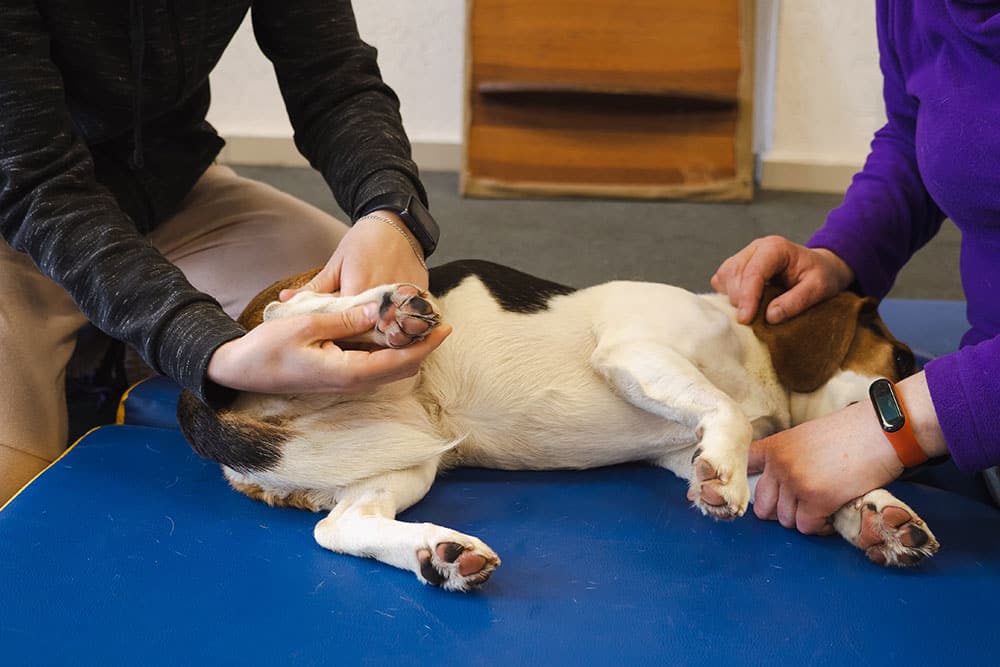
You might be feeling relieved that your pet made it through surgery, yet overwhelmed by what comes next. The incision may be healing, but the hard part often starts at home, when you are asked to keep an active dog quiet or help a sore cat move without pain. It is a lot to carry, especially when you want to do everything right and still are not sure what recovery should look like day by day. At Westarbor Animal Hospital in Ann Arbor, MI, we understand how important clear guidance and support can be during this stage.
That is where rehab can change the picture. In simple terms, pet rehabilitation after orthopedic surgery helps your animal heal with less pain, safer movement, better strength, and a lower risk of setbacks. When it is guided well, it can support the body while also giving you a clearer plan, which matters just as much when you are worried and tired.
Why can recovery feel harder after the procedure is over?
Many people assume surgery fixes the problem and the rest is just rest. Sometimes that is part of it, but recovery is rarely that simple. After orthopedic surgery, pets can lose muscle fast, shift weight in unhealthy ways, and become stiff because they are guarding the sore area. A dog that had knee surgery may start relying too much on the other leg. A cat recovering from a fracture repair may avoid normal jumping and walking long after the bone begins to mend.
Because of this tension, you might wonder whether your pet needs more than crate rest and medication. In many cases, the answer is yes. According to physical rehabilitation for dogs resources from Texas A&M, rehab can help improve strength, mobility, and function while supporting healing after injury or surgery. That matters because healing is not only about tissue closing. It is also about helping your pet use the body correctly again.
So, what are the four main ways these services help? First, they help control pain and swelling through guided movement, manual therapy, and other tools your veterinary team may recommend. Second, they improve range of motion, which can keep joints from becoming stiff during long periods of restricted activity. Third, they rebuild strength in a measured way, so your pet is not simply resting but actually preparing to move well again. Fourth, they reduce the risk of reinjury by teaching safer movement patterns and giving you a plan you can follow at home.
How do rehab services protect healing while building strength?
One of the hardest parts of recovery is knowing when activity helps and when it hurts. Too little movement can lead to weakness and stiffness. Too much can strain the repair and delay healing. That middle ground is where orthopedic surgery recovery for pets often needs professional guidance.
A rehab program may include controlled leash walks, balance work, stretching, underwater treadmill sessions, or targeted exercises based on your pet’s procedure and stage of healing. The point is not to push harder. The point is to match the right activity to the right moment.
Think about a dog after TPLO surgery. If that dog starts feeling better in week two, energy may return before the tissue is ready. Without structure, one quick sprint across the yard can undo progress. On the other hand, if the dog does almost nothing for weeks, muscle loss can slow recovery and make the return to normal life harder. Rehab helps close that gap.
Virginia Tech’s veterinary rehabilitation services outline how these programs support pain control, mobility, strength, and function in both post surgical and chronic cases. That broader support is often what gives pets a steadier path back to comfort.
What does professional rehab offer that home care alone may miss?
Home care matters, and your role is huge. Still, even devoted pet owners can miss subtle signs of strain, fatigue, or compensation. A pet may look eager to move, yet still be favoring one side. Another may seem lazy when the real issue is pain. That is why a structured rehab plan can add value beyond rest and love.
| Recovery Approach | What It Helps With | Possible Limits |
|---|---|---|
| Home rest only | Protects the surgical site and limits risky activity early on | Can lead to stiffness, muscle loss, and slower return to normal movement if used without progression |
| Home exercises from discharge instructions | Gives basic structure and supports daily care | May be hard to adjust if pain, swelling, or gait changes show up |
| Professional rehab services for pets | Tracks progress, adjusts exercises, supports pain relief, and rebuilds strength safely | Requires time, follow through, and added cost in some cases |
For many families, the cost question is real. That concern makes sense. Yet setbacks can also be expensive, especially if poor movement leads to reinjury or stress on another joint. In that light, rehab is not just an extra. It can be a way to protect the investment you already made in surgery and give your pet a better shot at lasting comfort.
What can you do right now to support a smoother recovery?
1. Ask for a clear recovery timeline.
Do not settle for a vague idea of “take it easy.” Ask your veterinary team what your pet should be doing this week, next week, and one month from now. Find out what signs mean progress and what signs mean you should call. Specific guidance lowers stress and helps you avoid guessing.
2. Watch movement, not just mood.
A brighter attitude does not always mean the body is ready. Pay attention to limping, toe touching, uneven sitting, trouble standing, or resistance to using one leg. These clues often say more than energy level alone. If you notice a change, report it early.
3. Build a recovery space that supports healing.
Use rugs on slick floors, keep jumps blocked off, and make bathroom trips calm and controlled. Small changes at home can prevent slips and sudden twists. If your pet has prescribed exercises, do them in a quiet space and keep notes so you can share patterns or concerns at follow up visits.
Where does that leave you and your pet now?
Recovery after orthopedic surgery can feel long, uneven, and full of second guessing. That does not mean you are doing it wrong. It means your pet is healing through a process, not a single moment. With the right rehab support, many pets regain comfort, confidence, and stronger movement than they would with rest alone.
If your pet is recovering from a bone, joint, or ligament procedure, ask your Animal Hospital team whether rehab is the next right step. A thoughtful plan now can make the weeks ahead feel more manageable and help your pet get back to daily life with greater ease.