
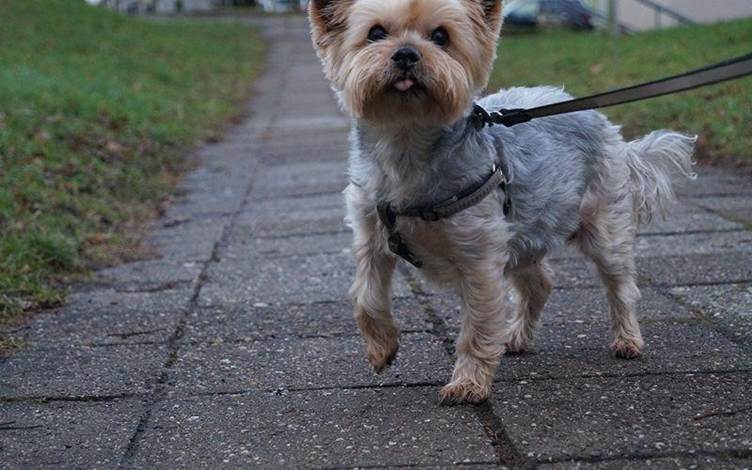
A sudden limp at home can stop any pet owner in their tracks. One moment your pet races across the floor. Next, every step looks cautious. Limping often signals discomfort, strain, or injury, and spotting it early helps prevent added stress for both pet and owner. A calm response and clear next steps make all the difference.
Noticing the First Signs
Limping can appear obvious or subtle. Some pets refuse to place weight on a paw. Others slow down or sit often. Watch for head bobbing, uneven strides, or hesitation before jumping. A sudden change usually links to strain, a small fall, or awkward movement during play.
Pets hide pain well. A wagging tail or calm face does not rule out injury. Check each limb gently and look for swelling, heat, or cuts. If your pet reacts sharply, stop the check. Pain responses give useful clues for an orthopaedic vet, who assesses movement patterns and joint stability.
Common Causes Inside the Home
Many limps begin indoors. Slippery floors cause slips. Tight corners invite sharp turns. Jumping off sofas strains joints, especially in growing puppies or older pets. Toys left on the floor create unexpected obstacles.
Muscle strains remain common and usually heal with rest. Sprains affect ligaments and take longer. In some cases, small fractures occur after a fall from height. Degenerative joint issues also surface suddenly, even without recent injury. A visit to a pet hospital in Singapore allows imaging and gait checks to narrow the cause.
First Steps Before a Vet Visit
When a limp appears, restrict movement. Keep walks short and slow. Prevent jumping on furniture. Apply a cold pack wrapped in cloth for ten minutes if swelling shows. Avoid human pain relief. Many common medicines harm pets.
Note the timing of the limp. Did it start after play or a fall? Does it worsen during movement or after resting? Write these details down. Clear observations help an orthopaedic vet form a focused assessment and reduce guesswork during the exam.
When Professional Care Matters
Some limping will resolve within a day. Others persist or worsen. Seek help if limping lasts beyond twenty four hours, if swelling increases, or if your pet refuses food or movement. Sudden non weight bearing limps deserve prompt care.
Vets perform physical exams, X-rays, or ultrasounds when needed at a pet hospital in Singapore. Diagnostic tools confirm whether bones, joints, or soft tissue cause the issue. Accurate diagnosis prevents prolonged discomfort and avoids ineffective treatment.
What an Orthopaedic Assessment Involves
An orthopaedic assessment looks at structure and motion. An orthopaedic vet checks joint range, muscle tone, and limb alignment. They observe walking patterns on different surfaces. Imaging supports findings, especially for ligament or joint conditions.
Treatment plans often include rest, controlled exercise, or medication tailored to pets. In certain cases, surgery provides stability and pain relief. Decisions rely on evidence from scans, physical exams, and recovery goals discussed with the owner.
Recovery and Home Support
Recovery requires patience. Follow activity limits closely. Skipping rest days delays healing. Use ramps or steps near furniture. Place rugs on slippery floors. Such adjustments reduce strain during recovery.
Recheck visits allow an orthopaedic vet to track progress and adjust care. Some pets benefit from physiotherapy exercises guided by professionals. Targeted exercises restore strength and improve movement without overload.
Preventing Future Limp Episodes
Prevention starts at home. Maintain a healthy weight to reduce joint load. Trim nails to improve grip. Schedule regular check-ups at a trusted pet hospital in Singapore to monitor joint health, especially for breeds prone to orthopaedic issues.
Warm up pets before intense play. Short walks before running sessions prepare muscles. Rotate toys to limit frantic movement. Consistent routines support joint stability and reduce injury risk over time.
Knowing When to Act
A limp tells a story. Acting early keeps minor issues from turning serious. Observe calmly, limit movement, and seek professional advice when signs persist. Clear answers and structured care based on evidence and experience should be provided by an orthopaedic vet. Reliable guidance gives pets the best chance at steady recovery without unnecessary delay.
Next Steps After a Sudden Limp
A sudden limp may feel alarming, but professional help exists. Accurate assessment, thoughtful home care, and steady follow-up help pets regain comfortable movement. Clear communication with veterinary professionals ensures every step aligns with your pet’s needs. Contact Paws N’ Claws Veterinary Clinic to discuss concerns, arrange an assessment, and receive practical guidance for managing sudden limping at home.