
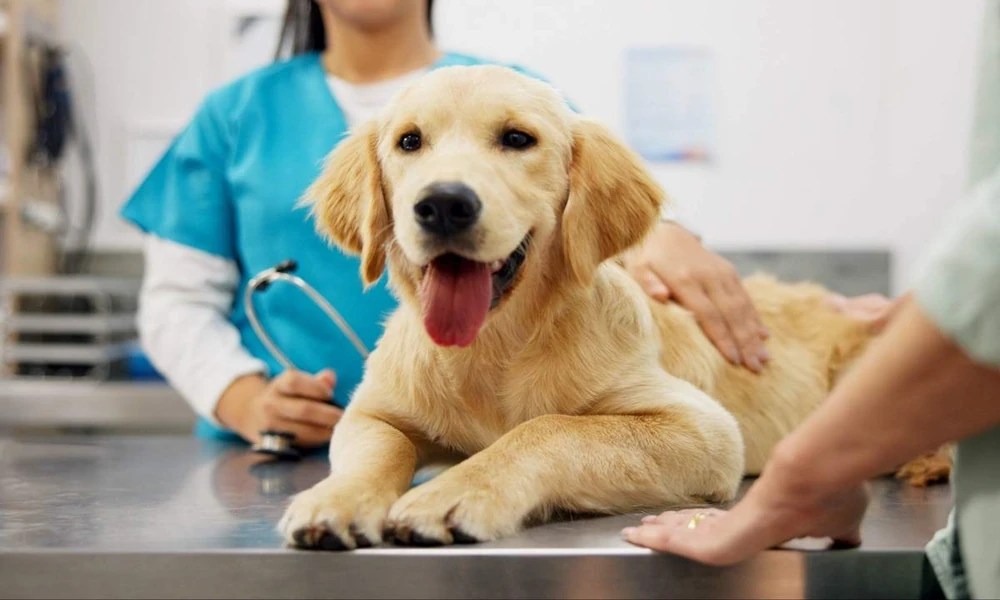
You might be feeling that knot in your stomach already. Your pet needs surgery, you have signed the forms, and now your mind keeps circling back to one question. What actually happens once they go through those doors? That worry is normal, because handing over a pet you love can feel like handing over a piece of your heart. The good news is that surgery at a Chicago Heights animal hospital follows a careful, step by step process built around safety, comfort, and close monitoring. From pre surgery testing to anesthesia checks, pain control, and recovery support, every stage is designed to lower risk and protect your pet.
Why does pet surgery feel so stressful, even when the procedure is routine?
Part of the stress comes from not being able to see what is happening. You know your pet cannot ask questions, speak up if they feel strange, or tell you how scared they are. Because of that, even a routine spay, dental procedure, or lump removal can feel much bigger than it sounds.
Then there is the word anesthesia. For many people, that is the hardest part. You may wonder if your pet will wake up normally, how pain is managed, or whether age or breed changes the risk. Those are fair questions, and they deserve clear answers.
At a well run animal hospital, anesthesia is not just giving a drug and hoping for the best. It involves a full plan. Your pet is examined, their medical history is reviewed, and testing may be recommended to look for hidden issues before surgery. Presurgical preparation and testing often help the veterinary team spot concerns involving the liver, kidneys, blood sugar, hydration, or blood clotting before anesthesia begins.
So what really happens to your pet during anesthesia and surgery?
First, your pet is admitted and given a physical exam. Weight matters because anesthetic drugs are dosed with care. Heart and lung sounds are checked. If bloodwork or other tests were done ahead of time, the team reviews those results again before moving forward.
Next comes sedation or premedication. This helps lower stress, supports pain control, and often reduces the amount of anesthesia needed later. If you have ever wondered about the difference between sedation and full anesthesia, understanding pet sedation and anesthesia can help make that distinction clearer. Sedation relaxes your pet. General anesthesia creates unconsciousness so surgery can be done safely and without pain.
Once your pet is sleepy, an intravenous catheter is often placed. This gives the team quick access for fluids and medications. After that, anesthesia is induced, usually with an injectable drug, and a breathing tube is placed in the windpipe. That tube protects the airway and delivers oxygen and anesthetic gas.
From there, the focus shifts to monitoring. This is one of the biggest parts of how pets are kept safe during surgery. Trained staff track heart rate, breathing, oxygen levels, blood pressure, temperature, and anesthetic depth. If something changes, adjustments can be made right away. Veterinary anesthesiology is built around this constant attention, as explained by the team at the University of Illinois veterinary anesthesiology service.
During the procedure itself, pain relief does not wait until after surgery. It is often given before, during, and after the operation. That layered approach helps your pet stay more stable under anesthesia and more comfortable during recovery.
What are the real risks, and how are they reduced at an animal hospital?
Every surgery carries some risk, whether the patient has two legs or four. Age, breed, weight, heart disease, airway problems, and the type of procedure all matter. A healthy young pet having a short procedure usually has lower risk than a senior pet with medical issues needing a longer operation. Still, lower risk does not mean no planning, and higher risk does not mean unsafe. It means the plan gets more specific.
Pet anesthesia safety depends on preparation, monitoring, and recovery care. Warming devices may be used to prevent body temperature from dropping. IV fluids may support blood pressure and circulation. Drug choices can be adjusted for flat faced breeds, older pets, or animals with organ disease. That is why a one size fits all approach is not the standard in a quality animal hospital.
What should you know about the benefits and risks before pet surgery?
| Factor | Why It Matters | How the Hospital Responds |
|---|---|---|
| Pre surgery bloodwork | Can reveal hidden problems with organs, infection, or blood sugar | Helps guide drug choices and timing |
| IV catheter and fluids | Supports circulation and allows fast medication access | Improves response if changes happen during surgery |
| Breathing tube and oxygen | Protects the airway and supports breathing | Keeps oxygen delivery steady during anesthesia |
| Monitoring equipment | Tracks heart rate, oxygen, blood pressure, and temperature | Allows quick adjustments in real time |
| Pain management | Reduces stress on the body and improves recovery | Uses medications before, during, and after surgery |
| Recovery observation | Many issues happen as a pet wakes up, not during the procedure | Staff watches closely until your pet is stable |
If you are weighing the risks and benefits, it helps to remember why surgery is being recommended in the first place. Removing a painful tooth, repairing an injury, or taking out a suspicious mass may prevent larger problems later. In many cases, the risk of avoiding treatment can become greater than the risk of anesthesia itself.
What can you do right now to help your pet have a safer surgery?
Ask what monitoring and testing will be used. You do not need to know every machine by name. Just ask which checks are done before anesthesia, who monitors your pet during the procedure, and how pain is controlled. Clear answers usually bring real peace of mind.
Follow fasting and medication instructions exactly. If your pet is told not to eat after a certain time, that matters. Food in the stomach can raise the risk of vomiting and airway problems during anesthesia. If your pet takes daily medicine, ask whether to give it the morning of surgery.
Plan for recovery before the procedure day. Set up a quiet place at home, pick up any prescribed medication, and know what warning signs to watch for, such as trouble breathing, severe swelling, vomiting, or extreme sleepiness that does not improve. Good recovery care is part of good surgery care.
Where does that leave you if your pet needs an operation?
It leaves you with something steadier than fear. It leaves you with a better picture of what happens behind the scenes. What really happens to your pet during surgery at an animal hospital is not guesswork or luck. It is a series of careful decisions meant to keep your pet safe, control pain, and support a smooth recovery. If your pet has an upcoming procedure, ask questions, share your concerns, and make sure you understand the plan. When you know what to expect from veterinary surgery and anesthesia, it becomes easier to take the next step with confidence.