
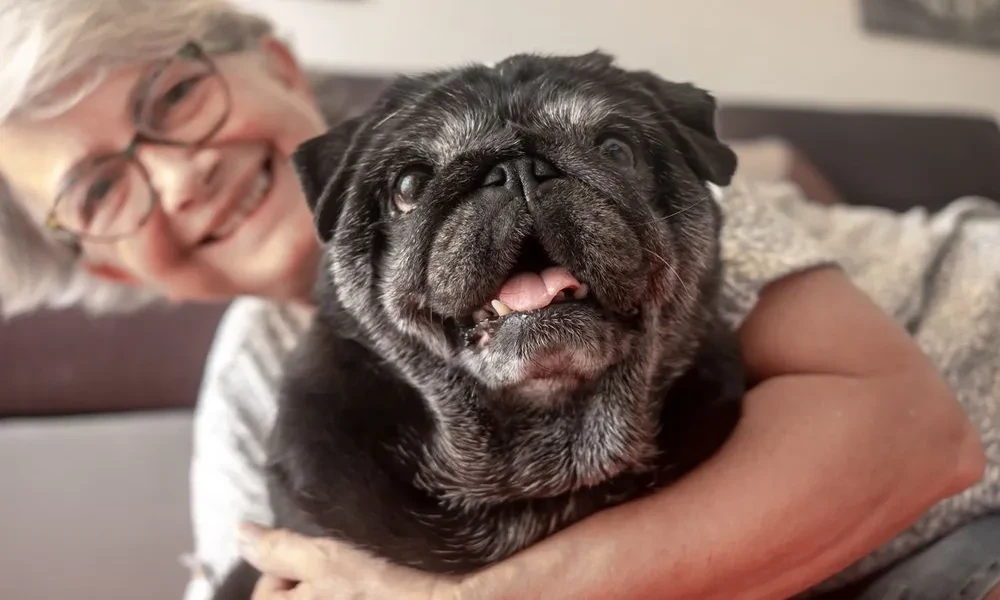
You might be noticing small changes that are easy to second-guess at first. Your dog sleeps a little longer after walks. Your cat seems less eager to jump onto the couch. Maybe your pet still has bright eyes and sweet habits, yet something feels different, and that can leave you wondering whether you are overreacting or missing something important. If you are concerned, a visit to a Beaumont, TX animal hospital can help you better understand what your pet may be experiencing.
That uncertainty is common, especially when pets move from middle age into their senior years. The short answer is simple. Senior Pet Care: Adjusting Wellness Visits As Pets Age usually means more frequent checkups, closer screening for age-related problems, and a care plan that fits your pet’s changing body and behavior. The goal is not just treating illness after it appears. It is finding changes early, when support often works better and costs less.
Why do older pets need more frequent wellness visits?
As pets age, their bodies can change faster than many owners expect. A puppy or kitten may seem to stay the same for months, but an older pet can develop arthritis, kidney disease, dental pain, thyroid trouble, or vision loss in what feels like a short stretch of time. Because pets hide discomfort well, you may not see a clear warning until the issue has already been building.
That is where regular visits to a general veterinarian start to matter even more. Instead of relying only on what you can see at home, your veterinarian can look for shifts in weight, mobility, heart function, hydration, dental health, and lab values. According to the University of Georgia senior wellness guidance, senior screenings often help uncover problems before they become severe. That can mean earlier treatment and a better quality of life.
So, where does that leave you if your pet still seems mostly fine? It means “fine” is still worth checking. Older pets can look stable while living with pain, hearing loss, high blood pressure, or organ changes that only show up on an exam or bloodwork.
What changes should you watch for between aging pet checkups?
The hard part is that senior changes do not always look dramatic. Sometimes they show up as little adjustments in routine. Your dog may hesitate before stairs. Your cat may miss the litter box because climbing in hurts. A pet who once greeted you at the door may stay in bed longer, and it is easy to call that “slowing down” when it may actually be discomfort.
Common signs to bring up during wellness visits for older pets include changes in thirst, appetite, sleep, bathroom habits, weight, breathing, confusion, pacing, stiffness, bad breath, or new lumps. Even behavior shifts matter. Irritability, clinginess, hiding, or house soiling can point to pain or illness rather than “old age” alone.
If you have a senior cat, age can bring its own set of concerns, including kidney disease, arthritis, and cognitive changes. Cornell’s guide on loving care for older cats explains how subtle these signs can be, especially when cats mask discomfort so well.
How often should senior wellness exams happen, and what might they include?
Many veterinarians recommend visits every six months for senior pets, though the right schedule depends on species, breed, medical history, and current health. Why twice a year? Because a lot can change in six months for an older animal. In human terms, that can represent a much longer stretch of aging.
A senior visit may include a physical exam, weight check, dental review, mobility assessment, bloodwork, urine testing, blood pressure checks, and sometimes imaging if symptoms suggest it. The team may also ask about sleep, appetite, bathroom habits, and behavior at home. These details help build a fuller picture than one test alone ever could.
The University of Illinois on preventive medicine for older pets notes that preventive care in old age often leads to earlier detection and more options. That matters emotionally and financially. Catching a problem early may mean simpler treatment, fewer emergencies, and less suffering for your pet.
What is the real difference between annual and twice-yearly senior pet wellness care?
When budgets are tight, it is fair to ask whether more visits truly help. In many cases, they do. The point is not adding appointments for the sake of it. The point is shortening the gap between one health snapshot and the next.
| Care Approach | What It Often Includes | Potential Benefit | Possible Risk |
|---|---|---|---|
| Annual wellness visit | Physical exam, vaccine review, basic discussion of changes | Good for stable adult pets | Age-related changes may go unnoticed for longer |
| Twice yearly senior pet wellness exams | More frequent exams, trend tracking, lab work as advised | Earlier detection of chronic disease, pain, or decline | Higher routine care cost up front |
| Symptom only visits | Care sought after visible problems appear | May feel less expensive in the short term | Problems are often more advanced and harder to manage |
For many families, the real question is not just cost. It is whether you want to be reacting to a crisis or watching carefully enough to prevent one when possible.
What can you do right now to support an aging pet?
Track the small stuff.
Start a simple note on your phone. Record appetite, thirst, weight if you can, mobility, accidents, sleep, and behavior changes. Patterns are easy to miss in daily life, but they become clear when written down. This gives your veterinarian better information and helps separate a one-day blip from a real shift.
Ask about a senior wellness schedule.
If your pet is entering the senior stage, ask whether yearly care is still enough. A general veterinarian can recommend a schedule based on breed, age, and health status. Some pets need visits every six months. Others with chronic disease may need closer follow-up.
Prepare for the visit with specific questions.
Before the appointment, write down what you have noticed. Ask whether pain screening, dental care, bloodwork, urine testing, blood pressure checks, or diet changes make sense now. If finances are a concern, say so. Many clinics can help you prioritize the most useful tests first.
How do you move forward without feeling overwhelmed?
You do not need to solve every part of aging today. You just need to pay attention, ask good questions, and adjust care as your pet’s needs change. Growing older does not mean your pet cannot enjoy comfort, play, affection, and steady routines. It simply means their care may need to become more intentional.
If your pet is slowing down, acting differently, or simply reaching their senior years, now is a good time to schedule a wellness visit and talk through what comes next. A thoughtful plan can bring peace of mind to you and more good days to your pet.