
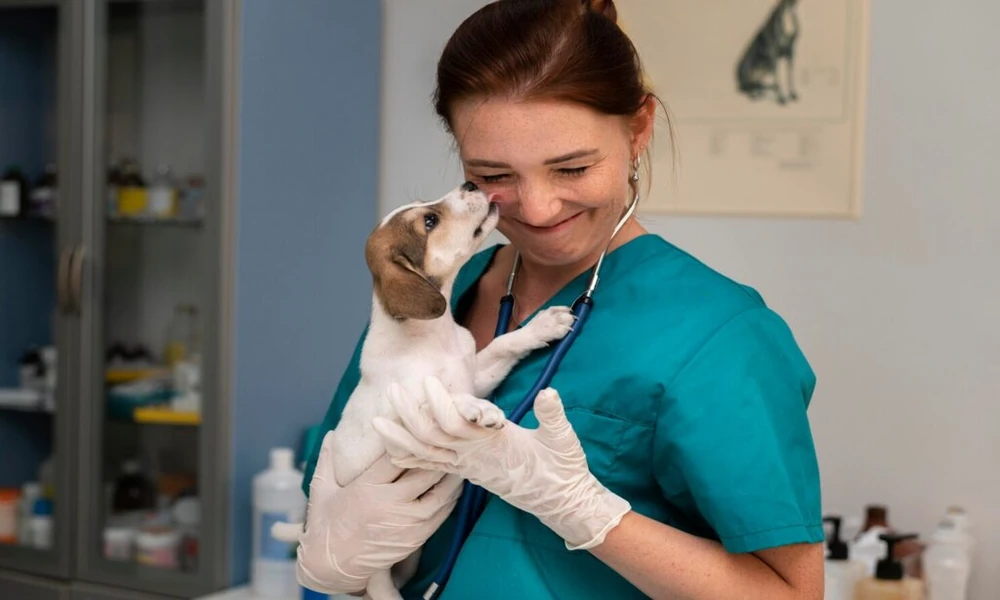
You might be feeling pulled in two directions right now. On one hand, you want the best care for your pet. On the other, you may be staring at a long list of clinics, reading reviews, comparing services, and wondering how you are supposed to make the right call when emotions are already running high, especially when searching for Radford, VA veterinary options. That tension is real, especially when your pet cannot tell you what hurts or how urgent it feels.
Before you choose, it helps to slow the process down and focus on what matters most. The short version is simple. Look at the hospital’s medical standards, pay attention to how the team communicates, and make sure the costs and policies are clear before you need urgent care. Those three factors can tell you a lot about whether a clinic will feel steady and trustworthy when your pet needs help most.
When your pet needs care, how do you tell a good animal hospital from one that only looks good online?
It is easy to get stuck on surface details. A polished website, a convenient location, or a few glowing reviews can be reassuring, but they do not always show how a hospital handles a sick pet, a worried family, or a complicated diagnosis. Because of that, choosing an animal hospital often comes down to what happens behind the front desk and inside the exam room.
The first thing to consider is medical capability. Does the hospital offer preventive care only, or can it also manage diagnostics, surgery, dental work, and urgent cases? If your pet develops a chronic condition or needs follow-up testing, continuity matters. A clinic that can handle routine wellness and more advanced care often saves you time, stress, and repeated transfers.
The second issue is communication. This matters more than many people expect. You are not just choosing a building or a brand. You are choosing a team that should explain options clearly, respect your questions, and help you understand risks, treatment plans, and expected costs. The University of Minnesota outlines strong client rights and responsibilities, and that framework is useful when comparing hospitals. You should feel informed, heard, and treated like a partner in your pet’s care.
Then there is the financial side, which can feel uncomfortable to bring up until it is too late. But this is one of the smartest questions to ask early. What are exam fees, emergency fees, payment expectations, and follow-up costs? A good hospital will not make you feel ashamed for asking. Clear pricing does not remove every hard decision, but it does reduce panic when timing matters.
Why do medical standards and team communication matter so much when choosing veterinary care?
If your pet needs a simple vaccine visit, almost any clinic may seem fine. But what if a routine appointment turns into something more serious? What if your dog suddenly stops eating, or your cat starts hiding and breathing differently? In those moments, you need a hospital that can move from concern to action without confusion.
Research continues to show that structured clinical guidance improves care decisions in veterinary medicine. For example, published work indexed on PubMed has explored how evidence-based approaches shape animal treatment and outcomes, which is worth reviewing if you want a sense of how standards influence care quality. You can read more through this PubMed veterinary care research article. For pet owners, the practical takeaway is this. Hospitals that follow clear protocols and explain why they recommend a test or treatment are often easier to trust because their decisions are grounded in process, not guesswork.
Communication is just as important. A strong hospital team will tell you what they know, what they are still checking, what your options are, and what each choice may cost. They will also tell you when a specialist or emergency transfer makes more sense. That kind of honesty can bring a surprising amount of relief, even in a stressful visit.
What should you compare side by side before picking an animal clinic?
Sometimes the best way to think clearly is to compare a few key details in one place. If you are weighing options, this table can help you spot the difference between a clinic that is merely convenient and one that may be a better long-term fit.
| What to Compare | What to Look For | Why It Matters |
|---|---|---|
| Medical services | Wellness care, diagnostics, surgery, dental care, urgent visits | Broader services can reduce delays and keep care consistent |
| Communication style | Clear explanations, written estimates, time for questions | You can make calmer, better informed decisions |
| Emergency process | Same-day availability or referral plan for after-hours emergencies | Urgent situations are easier to handle when you know the plan |
| Cost transparency | Exam fees, treatment estimates, payment timing, cancellation rules | Fewer surprises during already stressful moments |
| Follow up care | Recheck visits, medication guidance, test result communication | Good care does not stop when you leave the exam room |
If you are comparing an animal clinic selection guide in your head, these points usually tell you more than star ratings alone. They also help you assess choosing a veterinary hospital in a way that reflects both medical quality and your own peace of mind.
So what can you do right now to choose an animal hospital with more confidence?
1. Call and ask three direct questions.
Ask what services they provide on site, how they handle emergencies, and whether they give written treatment estimates before major care. The answers will tell you a lot about both capability and transparency.
2. Schedule a routine visit before there is a crisis.
If possible, do not wait until your pet is sick. A wellness appointment gives you a chance to see how the team interacts with your pet, how clearly they explain care, and whether the environment feels organized and calm.
3. Review policies while you are still thinking clearly.
Look at hours, refill policies, drop-off procedures, payment expectations, and referral relationships. When a stressful moment hits, you will be glad you already know how the hospital works.
What does the right choice really come down to?
In the end, the right hospital is not always the fanciest one or the closest one. It is the one that combines sound medicine, respectful communication, and clear expectations. That is what helps you feel supported before, during, and after a visit.
If you are weighing your options, trust the questions that keep coming to mind. They usually point to what matters most. Your pet depends on you to choose care with both heart and judgment, and you do not have to rush that process. A thoughtful look at these three key points can help you find a provider for veterinary care that feels steady when it counts.