
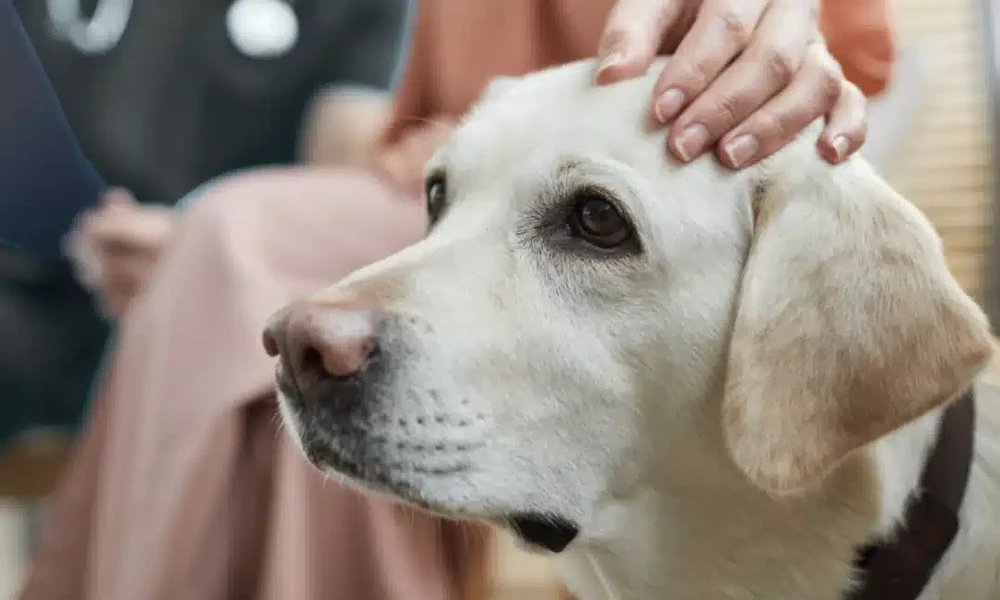
You might be feeling that quiet worry many pet owners carry, the kind that shows up when your dog skips a meal, your cat hides longer than usual, or something goes wrong after normal business hours. One minute, life feels steady. The next, you are searching for symptoms, watching your pet breathe, and wondering how serious this really is. In moments like these, connecting with a trusted veterinarian in Alexandria, VA can help you feel more supported and informed. That shift can be hard on the whole family, because pets are not just animals in the home. They are part of your routines, your comfort, and your sense of normal.
That is why Why Animal Hospitals Provide Peace Of Mind For Families comes down to more than medical care alone. An animal hospital gives you a place to turn when emotions are high, answers are unclear, and timing matters. It offers trained support, faster decisions, and a plan when you need one most. For many families, that support eases fear before, during, and after a health scare.
What changes for your family when a pet health problem feels urgent?
When a pet gets sick or injured, the stress spreads quickly. Children may be scared. Adults may disagree about whether to wait, monitor symptoms, or seek help right away. Because of that tension, even simple decisions can feel heavy. Should you watch for another hour, or could that delay make things worse?
This is where an animal hospital often brings calm into a chaotic moment. You are not left guessing on your own. You have access to professionals who can assess symptoms, explain what is urgent, and start treatment if needed. That kind of support matters, especially when signs are subtle. A limp, vomiting, trouble breathing, or sudden weakness can mean very different things, and families rarely feel more at ease after trying to decode those signs without help.
There is also the emotional side. When your pet is hurting, you may blame yourself for not noticing sooner. You may worry about cost, outcomes, or whether your pet is scared. A trusted pet hospital helps reduce that spiral by replacing uncertainty with information. Even when the news is serious, having a clear next step can steady a family.
Why does an animal hospital offer more reassurance than waiting and hoping?
Waiting can feel easier in the moment, especially if you are hoping the issue passes on its own. Sometimes it does. Sometimes it does not. The problem is that many conditions worsen quietly. Dehydration can build after repeated vomiting. A small wound can become infected. Trouble breathing can turn dangerous fast. Families often feel torn between avoiding overreaction and avoiding regret.
So, where does that leave you? In most cases, it helps to think of an animal hospital as both a treatment center and a safety net. It is there for emergencies, of course, but it also supports prevention, monitoring, and follow-up. That broader role is a big reason why family peace of mind with animal care is tied so closely to access to skilled veterinary support.
Preparedness is part of that comfort too. The Centers for Disease Control and Prevention offers helpful guidance on pet emergency preparedness, including planning for disasters and sudden disruptions. Cornell’s veterinary experts also explain key warning signs and when to seek help through their page on pet emergencies. When families know what to watch for and where to go, fear tends to loosen its grip.
How does an animal hospital compare with handling concerns at home?
Home care has its place. Rest, hydration, and observation can help with mild issues when you already know what you are dealing with. But there is a limit to what you can safely judge without training, tools, or testing. If your pet cannot tell you where it hurts, and symptoms can mean several different things, guesswork becomes risky.
The table below shows where at-home monitoring may help and where an animal hospital provides added value.
| Situation | At-Home Monitoring | Animal Hospital Support |
|---|---|---|
| Mild change in appetite for a few hours | You can watch water intake, energy, and behavior | Can assess if the change points to pain, illness, or blockage |
| Vomiting more than once | May be hard to know if it is minor or urgent | Can check hydration, run tests, and begin treatment quickly |
| Limping after play | Rest may help, but fractures or soft tissue injury can be missed | Exam and imaging can confirm the cause and guide care |
| Trouble breathing | Unsafe to manage by observation alone | Immediate oxygen, stabilization, and diagnosis if needed |
| Disaster or evacuation | Supplies help, but stress and injury can complicate things | Medical records, treatment access, and guidance during crisis |
For many families, the real value is not only what gets treated. It is what gets caught early. An animal hospital can identify problems before they become harder, more painful, or more expensive to manage.
What can you do now to protect your pet and your peace of mind?
1. Know your pet’s normal.
Pay attention to eating, drinking, bathroom habits, sleep, and energy. Small changes are easier to spot when you already know the baseline. If something feels off, write down when it started and what you noticed. That information helps a veterinary team act faster.
2. Build an emergency plan before you need one.
Keep vaccination records, medication lists, and your pet’s medical history in one easy place. Have a carrier, leash, food, water, and any needed medicine ready for quick travel. Talk with your family about who does what if an urgent situation happens. That simple planning can lower panic in the moment.
3. Do not wait too long with red flag symptoms.
Difficulty breathing, repeated vomiting, collapse, seizures, major bleeding, or sudden severe pain should not be monitored casually. If your instincts are telling you something is wrong, listen to them. Fast action often leads to better outcomes and less suffering.
Could peace of mind be as simple as knowing where to turn?
In many homes, the hardest part of a pet emergency is not just the illness or injury. It is the uncertainty, the fear of making the wrong call, and the feeling that your family’s sense of safety has been shaken. A trusted animal hospital helps restore that sense of footing. It gives you answers, options, and care when your pet needs more than hope and observation.
Your family does not have to carry that stress alone. When something feels wrong, reach out to an animal hospital and get the guidance your pet deserves.