
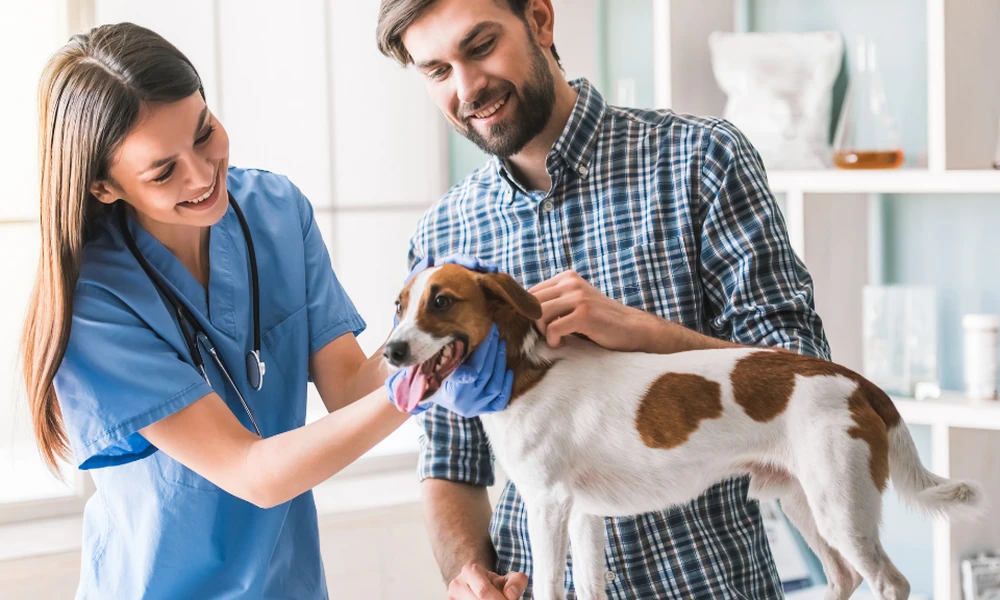
You might have noticed how pet care has changed in the last few years. What used to mean a rushed car ride, a nervous pet carrier, and a packed waiting room can now start with a video call, a photo, or a quick online check in, especially when seeking veterinary in Douglasville, GA. If you have ever worried about whether your pet needs immediate care or just good guidance, that shift can feel like a relief. It can also raise new questions. Is virtual care enough? When should you still go in person? And how do you make sure convenience does not come at the cost of quality?
That tension is part of why The Growing Popularity Of Telemedicine In Veterinary Hospitals matters so much right now. Pet owners want faster answers, less stress, and care that fits real life. Veterinary teams want to help more patients while using time wisely and protecting pets from unnecessary treatment. The short version is simple. Telemedicine can be a useful tool for follow ups, triage, behavior advice, and minor concerns, but it works best when it supports, not replaces, hands on veterinary care.
Why are more pet owners turning to virtual veterinary care?
For many families, the answer is convenience, but it goes deeper than that. A senior dog with arthritis may struggle to get in and out of the car. A cat may become frightened long before reaching the clinic. A pet owner with a full work schedule may put off asking about a skin issue because an office visit feels hard to manage. Because of this, virtual veterinary care has become more appealing, especially for questions that do not always need a physical exam right away.
Veterinary hospitals are also finding that telemedicine can improve access. A quick video visit may help a veterinarian decide whether a pet needs emergency care, a standard appointment, or simple home monitoring. That can save time, lower stress, and help hospitals focus in person visits on pets who truly need them most.
Still, it is not hard to see the other side. A limp can look mild on camera and be more serious in person. An ear infection may seem straightforward, but an exam may reveal a deeper problem. So, where does that leave you? It means remote care works best when it is used with good judgment and clear communication.
What problems can telemedicine solve, and where does it fall short?
The promise of telemedicine in animal hospitals is real. It can help with post surgery check ins, medication questions, nutrition support, behavior concerns, and updates on chronic conditions. If your dog is recovering after a procedure, for example, a virtual follow up may spare them the stress of travel while still letting the care team check incision healing and comfort.
It can also reduce unnecessary antibiotic use, which matters more than many pet owners realize. Prescribing without enough information can lead to the wrong treatment, delayed diagnosis, and antibiotic resistance. Public health guidance on telemedicine antibiotic stewardship stresses the need for careful prescribing practices during remote visits. That same caution applies in veterinary settings, where thoughtful decisions protect both animal and human health.
At the same time, telemedicine has limits that should not be ignored. A veterinarian cannot palpate an abdomen through a screen. They cannot listen to the heart and lungs from a photo. They may not be able to tell whether lethargy is mild dehydration or the start of something urgent. In those moments, digital access is helpful, but only if it leads to the right next step.
How does telemedicine compare with in person care at an Animal Hospital?
If you are trying to decide what makes sense for your pet, a simple side by side view can help. The goal is not to choose one over the other in every case. It is to know which option fits the problem in front of you.
| Care Type | Best For | Benefits | Limits |
|---|---|---|---|
| Telemedicine | Follow ups, behavior concerns, triage, minor skin issues, medication discussions | Less travel stress, faster access, easier monitoring, more convenience | No hands on exam, limited diagnostics, not right for emergencies |
| In person visit | Injuries, breathing issues, pain, vomiting, imaging, lab work, new serious symptoms | Full physical exam, testing, treatment on site, clearer diagnosis | More time, more travel, can be stressful for some pets |
This is where common sense and evidence meet. Data from the CDC’s stewardship report shows why careful prescribing and structured care matter across outpatient settings. And guidance for veterinarians on preventing antimicrobial resistance reinforces a key point. Good medicine is not just about speed. It is about using the right treatment, at the right time, for the right reason.
What can you do right now to use remote pet care wisely?
1. Know your pet’s red flags.
If your pet is struggling to breathe, collapsing, bloated, unable to urinate, having seizures, or showing signs of severe pain, skip the screen and seek in person care right away. Veterinary telehealth is useful, but it should never delay urgent treatment.
2. Prepare before the virtual visit.
Take clear photos and short videos in good light. Write down when symptoms started, any changes in eating or drinking, and what medications your pet takes. If your cat is scratching, for example, a video of the behavior and photos of the skin can help the veterinarian guide you more accurately.
3. Ask what happens next.
A good remote visit should end with a clear plan. Should you monitor at home for 24 hours? Book an exam? Start a treatment? Watch for warning signs? That follow through is what turns convenience into good care.
What does the rise of telemedicine in veterinary hospitals really mean for pet care?
It means care is becoming more flexible, which can be a gift when life is busy and pets are anxious. It also means pet owners need to be thoughtful, because convenience works best when it is paired with good judgment. Used well, telemedicine can save time, reduce stress, support better follow up, and help an Animal Hospital guide you toward the right level of care. Used poorly, it can create false reassurance and delay needed treatment.
If you are weighing your options, trust both your observations and your instincts. If something feels off, ask. If your pet seems worse, go in. And if a virtual visit can give you peace of mind or a safe next step, that can be a smart place to start.