
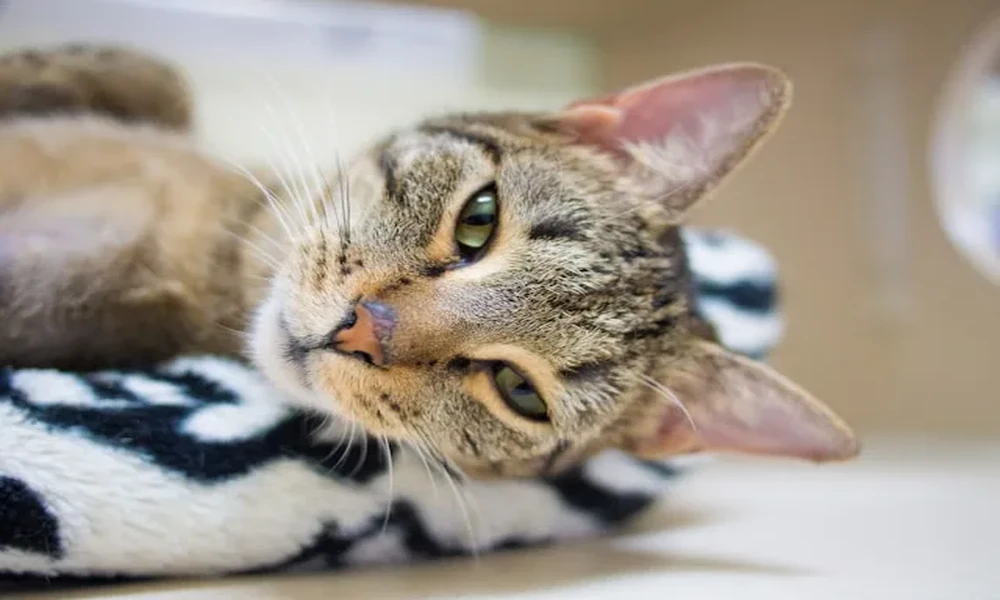
You might be reading this with a knot in your stomach, replaying the moment you noticed something was “off” with your pet. Maybe they skipped a meal, started limping, or gave you that look that says, “I don’t feel right.” Before that moment, life felt normal. After it, everything narrowed to one question you might ask an Ogden veterinarian. “Is my pet going to be okay?” end
That shift can be exhausting. You are trying to stay calm for your family, comfort your pet, and at the same time you are worried about money, time, and making the right decisions. It is a lot for anyone to carry.
This is where an animal hospital can quietly change the story. Not just by treating your pet, but by giving your whole family something you desperately need. Clarity, a plan, and a sense that you are not facing this alone. In simple terms, animal hospitals create peace of mind through five things. Clear answers, 24/7 support, tailored treatment, honest communication about costs and options, and help preparing for the next time you are worried.
So where does that leave you right now? It means there are specific ways a veterinary hospital for families can ease the pressure you feel, even before you walk through the door.
Why does taking your pet to an animal hospital feel so stressful at first?
The first problem is uncertainty. You see a symptom, but you do not know if it is an emergency or something that can wait. You search online, and every symptom seems to point to the worst possible outcome. Because of this tension, you might delay care out of fear, or rush to the clinic already braced for terrible news.
The second problem is emotional weight. Pets are not “just animals.” They are woven into your daily routines. They greet you at the door, follow you from room to room, curl up with your kids. When they are sick, it hits the whole family. Children may cry or worry in silence. Adults may feel guilty for not noticing sooner or for questioning whether they can afford advanced care.
The third problem is practical. You may be wondering. Will the visit be chaotic? How long will I wait? Will I understand what the veterinarian is saying? What if I have to make a big decision on the spot?
These worries are real, and they are common. That is exactly why modern pet care at an animal clinic is built around more than tests and treatments. It is built around helping families feel informed, prepared, and supported.
How do animal hospitals turn fear into reassurance for families?
Peace of mind does not come from pretending everything is fine. It comes from knowing what is happening, what the options are, and what will happen next. Here are five ways animal hospitals provide that kind of steady reassurance.
1. They give you clear answers about what is going on
One of the fastest ways to calm fear is to replace “I have no idea” with “Here is what we are seeing.” Animal hospitals use exams, lab work, and imaging to move you from guessing to understanding. During a visit, a veterinarian will usually ask about your pet’s behavior, diet, and recent changes. Then they examine your pet from nose to tail and explain what they notice in plain language.
If you want a sense of what a typical veterinary visit looks like, the American Veterinary Medical Association offers a helpful overview of what to expect at your pet’s veterinary visit. Knowing the general flow can make the first step feel much less intimidating.
2. They are there when “something is wrong” after hours
Many pet emergencies do not happen at a convenient time. The cough starts at midnight. The limp appears on a Sunday. Your pet eats something questionable right after your regular clinic closes. That is when an emergency animal hospital or after-hours service becomes the safety net you hope you never need but are grateful to have.
These centers are set up to handle urgent problems like breathing trouble, severe vomiting, or accidents. They triage cases, stabilize pets, and communicate clearly about what needs to happen in the next hours, not just the next days. For example, the University of Tennessee shares practical guidance on what to expect from an after-hours emergency service. The details will vary by hospital, but the pattern is similar. Quick assessment, focused treatment, and clear instructions for you.
Knowing that kind of care exists does not erase the fear of emergencies. It does give you a path when you are scared, and it is dark outside.
3. They create personalized treatment plans instead of one-size-fits-all care
No two families are the same. An animal hospital that understands this will not simply say “Here is the treatment, take it or leave it.” Instead, they walk you through the diagnosis, explain the options, and talk honestly about recovery time, follow-up care, and what you will need to do at home.
For example, a young dog with a broken leg and a senior cat with kidney disease both need serious care, but the approach, cost, and long-term plan will look very different. When a veterinarian offers choices and explains the tradeoffs, you regain a sense of control. You are not just reacting. You are making informed decisions that fit your pet and your household.
4. They talk openly about money, priorities, and what really matters
Money is one of the hardest parts to talk about, yet it is always in the back of your mind. You may worry that you will be judged if you cannot afford the most advanced option, or that you will be pressured into something you are not ready for.
A good animal hospital understands this tension. They can outline a “gold standard” plan, then also describe other reasonable paths, such as staged diagnostics, pain management while you decide, or referral to a specialist only if certain red flags appear. When costs are explained up front, you can plan, ask questions, and avoid surprise bills.
This kind of honesty does not make decisions easy, but it does make them kinder. You are able to weigh quality of life, your pet’s comfort, and your family’s resources without shame.
5. They help you prepare so the next scare feels less chaotic
After a crisis, many families say the same thing. “If I had known what to watch for, I would have come in sooner.” Animal hospitals often turn those hard moments into preparation for the future.
They may teach you which symptoms are true emergencies. They can show you how to give medications, how to monitor breathing or appetite, and what a safe recovery space at home looks like. They might suggest wellness visits, vaccines, or screening tests that catch problems earlier, when treatment is often easier and less costly.
All of this adds up to something powerful. The next time you see a warning sign, you will not feel as helpless. You will know who to call, what to say, and what the likely next steps will be.
What should you weigh when choosing an animal hospital for your family?
Once you see how much calmer life feels with trusted veterinary support, a new question appears. How do you choose the right place? To make that decision a little clearer, it helps to compare what “going it alone” looks like against partnering with a full-service animal hospital.
| Situation | Handling it on your own | With an animal hospital’s support |
|---|---|---|
| Late night vomiting or diarrhea | Guessing from online searches. Waiting to “see if it passes.” High stress and guilt if things worsen. | Calling an emergency line. Clear advice on whether to come in now, what to monitor, and how to keep your pet stable. |
| Chronic limp or ongoing pain | Trying rest and home remedies. Worry about long-term damage. Unclear if your pet is suffering. | Physical exam and imaging if needed. Diagnosis, pain relief, and a plan to protect joints and mobility. |
| End of life decisions | Feeling alone, unsure when “the time is right,” fear of prolonging suffering or acting too soon. | Guidance on quality of life, gentle timelines, and support for your family’s emotional needs. |
| Routine wellness for a new pet | Uncertainty about vaccines, diet, training, and what is normal behavior. | Structured wellness visits, preventive care, and answers to all your “Is this normal” questions. |
Looking at these side by side, you can see that peace of mind is not just about emergencies. It is about having a trusted place to turn for every stage of your pet’s life.
What can you do right now to feel more in control?
You may still feel worried. That is understandable. Even so, there are a few steps you can take today that will make the next urgent moment feel less overwhelming.
1. Save the contact information of a trusted animal hospital
Find a nearby clinic that offers both routine care and clear instructions for emergencies. Store their number in your phone under “Vet” so you do not have to search when you are anxious. If they list after-hours instructions on their website, read them once now so the process feels familiar later.
2. Create a simple “pet health file” for your household
Whether on paper or your phone, keep your pet’s basic details in one place. Age, medications, vaccine dates if you know them, and any prior conditions. In a stressful moment, this saves you from scrambling for information and helps the veterinary team act faster.
3. Learn the top warning signs that always need a call
Ask a veterinarian or trusted clinic which symptoms should never wait. Common red flags include trouble breathing, collapse, inability to stand, repeated vomiting, or sudden severe pain. Knowing these signs ahead of time lets you act quickly and confidently.
Finding calm again when your pet needs help
Worrying about a sick or injured pet can make the world feel very small. All you see is the problem in front of you. Yet you are not meant to carry that weight alone. Animal hospitals exist to share it. They bring medical skill, of course, but they also bring structure to chaos and compassion to hard choices.
By choosing a supportive veterinary care provider, you give your family something priceless. The sense that when something is wrong, you will not be left guessing in the dark. You will have people who know your pet, understand your worries, and will walk through the decisions with you step by step.
You do not have to have everything figured out today. Even a small move, like choosing a clinic and saving their number, is a meaningful step toward peace of mind for you, your family, and the animal who trusts you most.