
Article Summary: Regular ear care is an important part of maintaining a dog’s overall hygiene, but many owners are unsure how often ears should be cleaned or what signs indicate that additional attention may be needed. This guide explains why dogs develop ear odor or wax buildup, how to create a safe ear cleaning routine, common mistakes to avoid, and how everyday ear hygiene can support healthier and more comfortable pets.
A dog’s ears are an important part of their overall health and communication, but they are also an area that many owners overlook during regular grooming routines.
Unlike brushing a coat or trimming nails, ear care is often only considered after owners notice an unpleasant smell, visible buildup, or changes in their dog’s behavior.
Creating a simple and consistent ear hygiene routine can help owners better understand their dog’s normal ear condition and recognize when something appears different.
Why Regular Ear Care Matters for Dogs
Dogs have different ear shapes and lifestyles, which means their ear care needs can vary significantly.
Some dogs naturally have ears that collect more moisture or wax, while others may require less frequent cleaning.
Factors that can influence ear hygiene include:
- Ear shape and size
- Coat type around the ears
- Outdoor activity
- Swimming habits
- Environmental conditions
Regular observation allows owners to understand what is normal for their individual dog.
Common Reasons Dogs Develop Ear Odor
One of the most common reasons owners begin paying attention to ear care is an unusual smell coming from the ears.
Dog ear odor may be associated with several everyday factors, including:
- Wax buildup
- Moisture remaining after bathing or swimming
- Environmental exposure
- Changes in normal ear condition
- Insufficient cleaning routines
Because every dog is different, owners should observe changes over time rather than comparing their pets with others.
Understanding Ear Wax in Dogs
Ear wax is a normal part of the ear’s natural protection system. A certain amount of wax helps maintain the ear environment.
However, excessive buildup may create discomfort or make cleaning more difficult.
During routine grooming, owners can observe:
- The amount of visible wax
- Changes in odor
- Changes in ear appearance
- Whether the dog reacts differently when ears are touched
Knowing a dog’s normal ear condition makes it easier to notice unusual changes.
How to Clean Dog Ears Safely
Safe ear cleaning starts with gentle handling and appropriate products designed for pets.
General ear care steps include:
- Checking the ears in a calm environment
- Using products according to instructions
- Avoiding excessive cleaning
- Being gentle around sensitive ear areas
- Allowing the dog to become comfortable with the routine
The goal of ear cleaning is maintaining hygiene, not aggressively removing every trace of natural ear material.
Common Ear Cleaning Mistakes Owners Make
Many ear care problems happen because owners unintentionally use unsuitable methods.
Common mistakes include:
- Cleaning ears too frequently
- Using products not designed for pets
- Applying excessive pressure
- Ignoring changes in ear condition
- Using inappropriate tools inside the ear
A gentle and consistent approach is usually better than aggressive cleaning.
Dogs That May Need More Attention to Ear Hygiene
Some dogs may require more frequent ear monitoring because of their lifestyle or physical characteristics.
Examples include:
- Dogs with floppy ears
- Dogs that swim regularly
- Dogs with thick hair around the ears
- Dogs that spend significant time outdoors
- Dogs living in humid environments
Understanding your dog’s specific needs helps create a more suitable grooming routine.
The Connection Between Ear Care and Overall Pet Hygiene
Ear care is one part of a complete pet hygiene routine that also includes grooming, coat care, dental habits, and general cleanliness.
A consistent hygiene routine allows owners to notice small changes earlier and maintain better awareness of their pet’s everyday condition.
For owners looking for broader information about daily ear and eye hygiene routines, exploring eye and ear care for dogs and cats can provide additional guidance on maintaining everyday pet cleanliness.
Choosing Ear Care Products for Dogs
When selecting ear care products, owners should focus on quality, transparency, and suitability for pets.
Important considerations include:
- Clear ingredient information
- Suitable use instructions
- Gentle application methods
- Product purpose and formulation
- Compatibility with regular grooming routines
Responsible pet care products should help owners maintain hygiene routines while supporting comfortable handling for their pets.
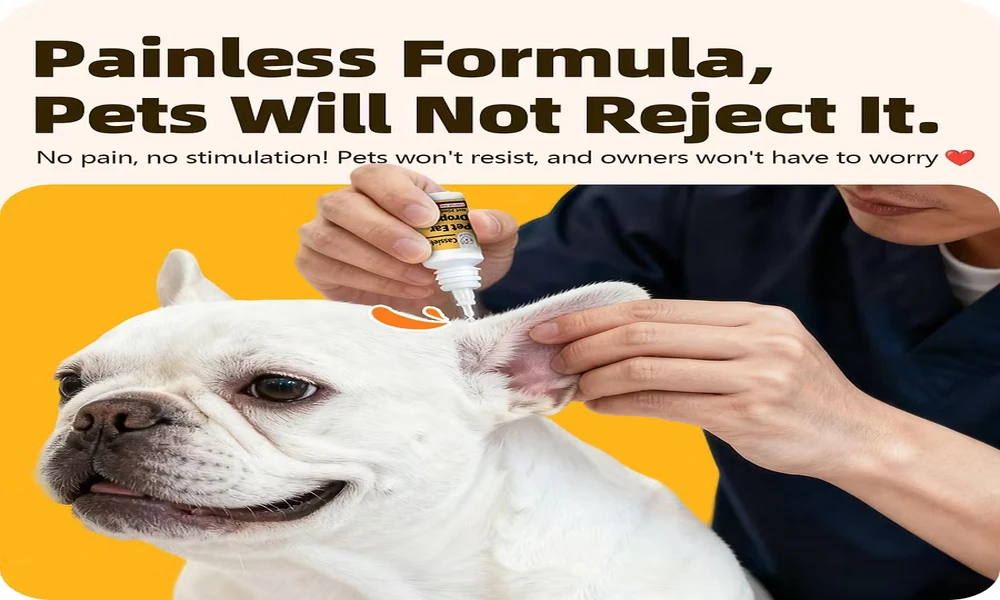
For owners looking for products designed for routine ear hygiene, dog and cat ear cleaning care solutions represent one example of an everyday ear care approach.
When Owners Should Seek Professional Advice
Routine ear cleaning is part of normal grooming, but owners should pay attention when noticeable changes appear.
Additional guidance may be appropriate when a dog shows:
- Persistent discomfort
- Major changes in ear appearance
- Repeated scratching around the ears
- Changes in normal behavior
Understanding the difference between normal hygiene needs and unusual changes helps owners make better decisions.
Final Thoughts
Dog ear care does not need to be complicated. A simple routine based on observation, gentle cleaning, and appropriate products can help owners maintain better hygiene habits.
By paying attention to ear condition and creating consistent care routines, owners can support healthier and more comfortable lives for their dogs.