
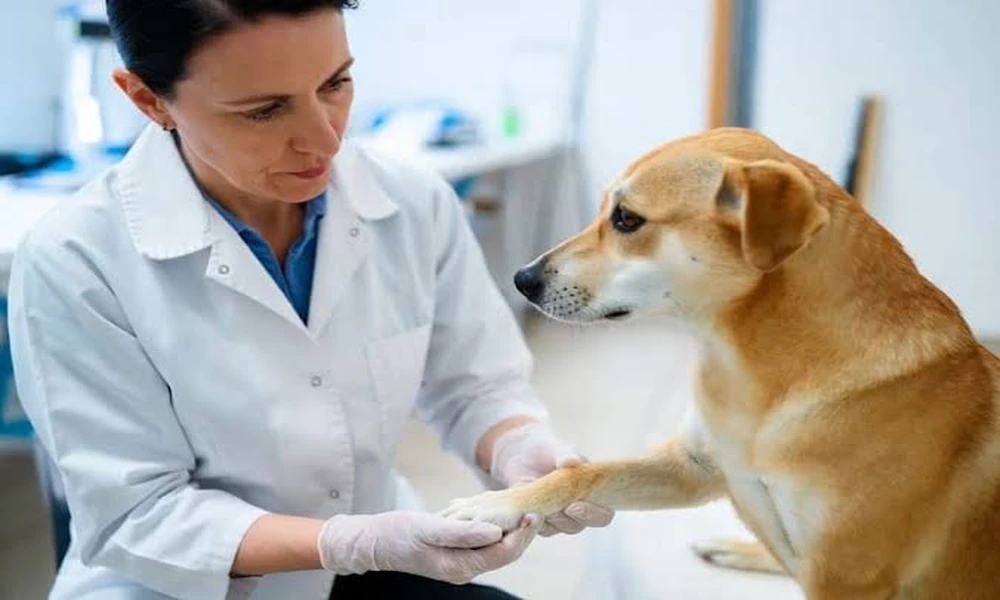
You know your pet better than anyone, which is why even small changes can hit hard. A dog that stops jumping onto the couch, a cat that hides after surgery, a pet that looks at you with tired eyes and seems just a little less like themselves. Pain in animals is easy to miss, and that makes it harder on you too. That’s why preventive pet care in Boise, ID can play an important role in catching concerns early. You are trying to read behavior, trust your instincts, and make the right call without getting lost in fear or guilt.
The role of veterinary hospitals in pain management is simple at its core. They assess pain, find the cause, choose safe treatment, and keep adjusting that plan as your pet heals or lives with a chronic condition. Good pain care is not just about medication. It is about comfort, mobility, sleep, appetite, and helping your pet feel like themselves again.
Veterinary hospitals treat pain with monitoring, diagnosis, and follow up
Pain is not always loud. Sometimes it looks like restlessness, limping, panting, irritability, or refusing food. In cats, it can be even quieter. They may crouch, avoid contact, or stop grooming. That is one reason veterinary pain management belongs in a hospital setting. A veterinary team can connect behavior to a medical cause instead of guessing from symptoms alone.
That matters because the source of pain changes the treatment. Arthritis pain is managed differently than pain after surgery. Dental pain is different from nerve pain. An older dog with kidney disease may need a different plan than a young healthy dog recovering from an injury. The same drug that helps one pet could be risky for another.
Veterinary hospitals also watch for the things owners cannot always see at home. They check hydration, breathing, heart rate, wound healing, and how a pet responds to medication over time. If your pet needs surgery, pain control often starts before the procedure, continues during recovery, and then shifts again once your pet goes home. That kind of continuity lowers stress for the animal and reduces the risk of under treating pain.
The medication side of this can feel confusing fast. Nonsteroidal anti inflammatory drugs, often called NSAIDs, can help many dogs and some cats, but they need careful use. The FDA explains what veterinarians should advise clients about pain control and NSAIDs, including side effects to watch for and why human pain medicines should never be substituted unless a veterinarian directs it.
Modern veterinary hospitals use more than one method for pain relief
The best pain plans are rarely one size fits all. Many veterinary hospitals use multimodal care, which means combining treatments that work in different ways. That may include prescription pain medicine, local anesthetics, cold therapy, weight support, physical rehabilitation, laser therapy, or changes in activity at home. The goal is better relief with fewer complications.
This approach is growing because research keeps showing the same pattern. Pain control works better when it is planned, measured, and adjusted. A recent review on animal pain management highlights how pain scoring, species specific care, and multimodal treatment improve outcomes across clinical settings. You can read that research on current approaches to pain management in animals.
New treatment options also matter, especially for pets that resist pills or need short term support after surgery. The FDA recently announced the first transdermal buprenorphine approved for post surgical pain in cats, which gives veterinarians another tool for feline pain control. That kind of development helps because cats often hide pain and can be hard to medicate at home.
Home observation and veterinary hospital care work best together
You are the one who sees the daily changes. The hospital team is the one trained to interpret them medically. That partnership is where pain management for pets usually works best. If you wait too long, pain can build on itself. A pet in pain may stop eating, sleep poorly, move less, and become weaker. Recovery gets harder, not easier.
Trying to manage pain at home without guidance can also create risks. Human pain relievers can be toxic to pets. Even supplements that seem harmless can interfere with other treatments or make diagnosis harder. The safer move is to bring your observations to a veterinary hospital early, especially after surgery, an injury, or a sudden change in behavior.
Common approaches to veterinary hospital pain management
| Approach | Best Use | Main Benefit | Main Concern |
|---|---|---|---|
| NSAID prescriptions | Arthritis, inflammation, post procedure pain | Reduces pain and swelling | Needs monitoring for stomach, liver, or kidney effects |
| Opioid based pain relief | Surgery, severe acute pain | Strong short term pain control | May cause sedation or require close dosing control |
| Local anesthetics and nerve blocks | Dental work, surgery, limb procedures | Targets pain at the source | Usually part of an in hospital plan |
| Rehabilitation and physical therapy | Orthopedic recovery, chronic mobility problems | Improves function and comfort over time | Requires consistency and follow up |
| At home observation with veterinary follow up | Chronic conditions, post discharge recovery | Catches subtle changes early | Symptoms can be missed without clear guidance |
Clear steps help you protect your pet from unnecessary pain
Track behavior changes. Write down what you are seeing. Note appetite, sleep, limping, grooming, hiding, vocalizing, and bathroom habits. Small patterns often tell the story better than one bad day.
Ask for a specific pain plan. If your pet is having surgery or has a painful condition, ask what medication is being used, what side effects to watch for, and when a recheck is needed. Ask what normal recovery looks like and what is not normal.
Do not use human medication unless your veterinarian says to. This is where many emergencies start. If your pet seems uncomfortable, call a veterinary hospital before giving anything from your medicine cabinet.
Veterinary hospitals give pain care structure when emotions are running high
When your pet hurts, you feel it too. That stress is real, and it gets heavier when the signs are subtle or the recovery is not going the way you hoped. A veterinary hospital brings structure to that uncertainty. It gives you diagnosis, monitoring, safer treatment choices, and a plan you can actually follow. That is the real role of a veterinary hospital in pain care. It turns worry into action and helps your pet heal with less suffering.
If your pet is showing signs of pain, schedule a veterinary hospital visit and get a treatment plan in place as soon as you can.