
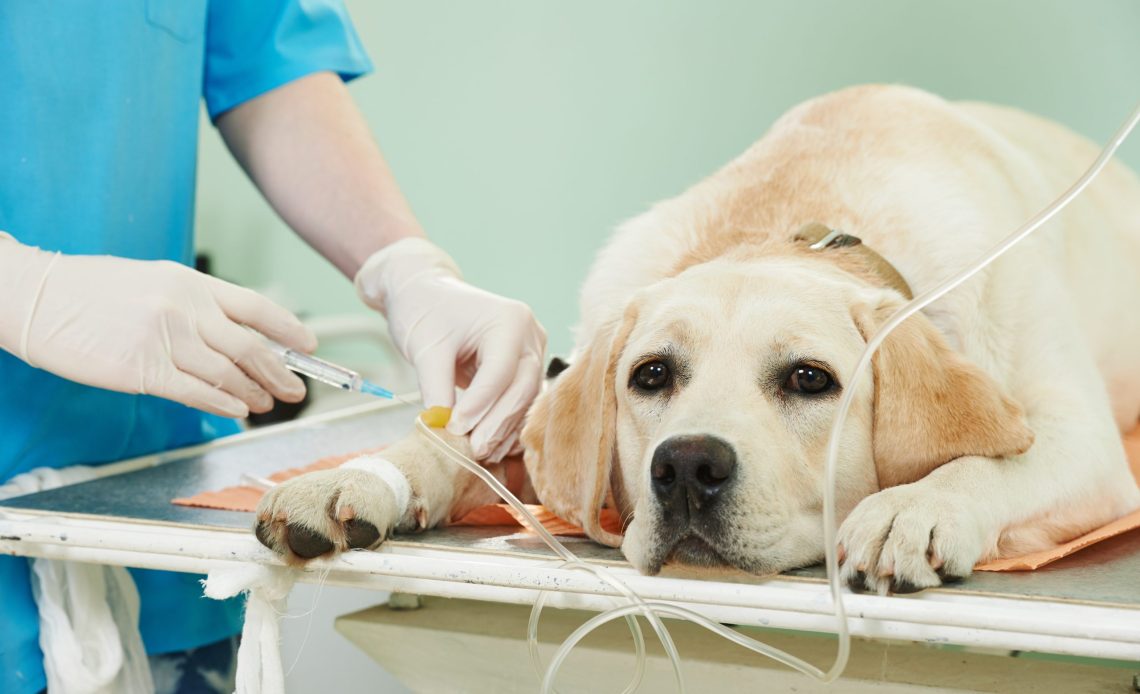
You might be feeling that rush of panic that hits the second you notice your pet limping, vomiting, or scratching at a sore spot that was not there an hour ago. One minute everything feels normal, and the next you are asking yourself whether this is a true emergency, whether it can wait, and whether an expensive ER visit is the only safe choice, or if finding an emergency veterinarian near Tiger Point is the right next step. That kind of uncertainty is hard, especially when your pet cannot tell you what hurts.
The good news is that not every urgent problem needs a hospital emergency room. Some issues still need prompt care, just not the highest level of emergency care. In many cases, 5 Pet Emergencies That Can Be Treated Without Going To The ER comes down to knowing what is serious, what is manageable, and when an Animal Urgent Care visit makes more sense than the ER. If your pet is having trouble breathing, collapses, has a seizure, is bleeding heavily, or may have eaten a toxin, that is ER territory. But for some common problems, urgent care can often help quickly and safely.
Which pet emergencies can often be treated at urgent care instead of the ER?
So, where does that leave you when the problem is real, but it does not seem life threatening? A few situations often fit that middle ground.
One common example is minor wounds or cuts. If your dog comes inside with a small laceration, or your cat has a scratch that will not stop oozing but is not pouring blood, urgent care can often clean the wound, check for infection risk, and decide whether stitches or medication are needed.
Another is vomiting or diarrhea that has started recently, especially if your pet is still alert and able to drink some water. Stomach upset can look dramatic, and it is easy to fear the worst. But if there is no bloated belly, no repeated retching without producing anything, and no known toxin exposure, this may be something an urgent care team can assess and treat.
Limping is another reason many pet owners panic. That makes sense. When a pet refuses to bear weight, it can look severe. Still, not every limp means a broken bone or a trip to the ER. A paw pad injury, strained muscle, torn nail, or sore joint often falls under pet urgent care emergencies rather than full emergency medicine.
Skin issues also show up fast. Hot spots, allergic reactions with mild swelling, ear infections, and sudden rashes can make your pet miserable. Because of this discomfort, you may feel pressure to act right away, and that is fair. These problems often do need same day care, but they do not always need the ER unless there is facial swelling that affects breathing or rapid worsening.
Finally, eye irritation can be urgent without being ER level. Squinting, redness, pawing at the eye, or discharge should not wait days, since eye issues can worsen quickly. Still, many cases can be examined and treated at urgent care first.
Why is it so hard to tell what needs the ER and what does not?
Part of the stress is that pets hide pain well, and when signs finally show up, they can seem larger than life. A little blood looks like a lot in fur. One episode of vomiting at 2 a.m. feels more alarming than it might in daylight. Add cost concerns, long waits, and fear of making the wrong call, and you are stuck in a painful spot.
What if you wait too long? What if you rush to the ER and find out it was treatable somewhere less intense and less expensive? Those are real worries, and they do not mean you are overreacting. They mean you care.
A useful rule is to look at your pet’s whole condition, not just one symptom. Are they breathing normally? Are they responsive? Can they walk? Are the gums pink? Is the bleeding controlled? If the answer is yes, there is a better chance the issue belongs in animal urgent care rather than the ER. For added guidance, the AVMA offers a helpful pet first aid guide that can help you think through basic next steps before you leave home.
How do urgent care and the ER compare when your pet needs help fast?
Sometimes a side by side view makes the choice clearer.
| Situation | Urgent Care May Be Appropriate | Go to the ER Now |
|---|---|---|
| Vomiting or diarrhea | Started recently, pet is alert, no toxin known, no severe weakness | Repeated vomiting, bloated abdomen, blood, collapse, toxin possible |
| Limping | Mild to moderate limp, able to stand, no major trauma | Bone visible, severe pain, dragging limb, hit by car |
| Cut or wound | Small wound, bleeding slows with pressure, pet acting fairly normal | Heavy bleeding, deep puncture, large open wound, pale gums |
| Skin or ear issue | Hot spot, rash, itching, ear pain, mild swelling | Swelling affecting breathing, severe facial swelling, collapse |
| Eye problem | Redness, squinting, discharge, rubbing at eye | Eye bulging out, severe trauma, sudden blindness |
This is why many pet owners search for alternatives to the ER when the issue is urgent but stable. In those moments, a prompt exam from a veterinary team can bring clarity, pain relief, and a treatment plan without the full ER setting. If you want more preparedness tools at home, the AVMA also offers pet first aid resources that can help you feel less helpless when something unexpected happens.
What can you do right now if you think your pet may need urgent care?
1. Check the basics first.
Look at breathing, alertness, gum color, and whether your pet can stand or walk. If your pet is struggling to breathe, collapses, has uncontrolled bleeding, or seems suddenly unresponsive, skip urgent care and go straight to the ER.
2. Limit movement and avoid home treatment that could worsen things.
Keep your pet calm and contained. Do not give human pain medicine. Do not force food or water if vomiting is active. For a small wound, apply gentle pressure with a clean cloth. For limping, restrict activity. For an irritated eye, prevent rubbing if you can.
3. Call ahead and describe exactly what you see.
A quick call can save time and stress. Share when the problem started, how your pet is acting, and whether there was trauma, toxin exposure, or repeated symptoms. The right team can tell you whether your pet should be seen at urgent care or whether the ER is the safer choice.
When you are trying to stay calm, what matters most?
You do not need to know everything in the moment. You just need to notice the warning signs, protect your pet from further injury, and get the right level of care quickly. Many common problems, including minor wounds, vomiting, limping, skin flare ups, and eye irritation, can often be treated without a trip to the emergency room. That is the heart of 5 Pet Emergencies That Can Be Treated Without Going To The ER. Fast care still matters, but the ER is not the only option every time.
If your pet seems stable but clearly needs prompt attention, seek Animal Urgent Care as soon as you can. Trust what you are seeing, and if your pet’s condition worsens at any point, go to the ER right away.