
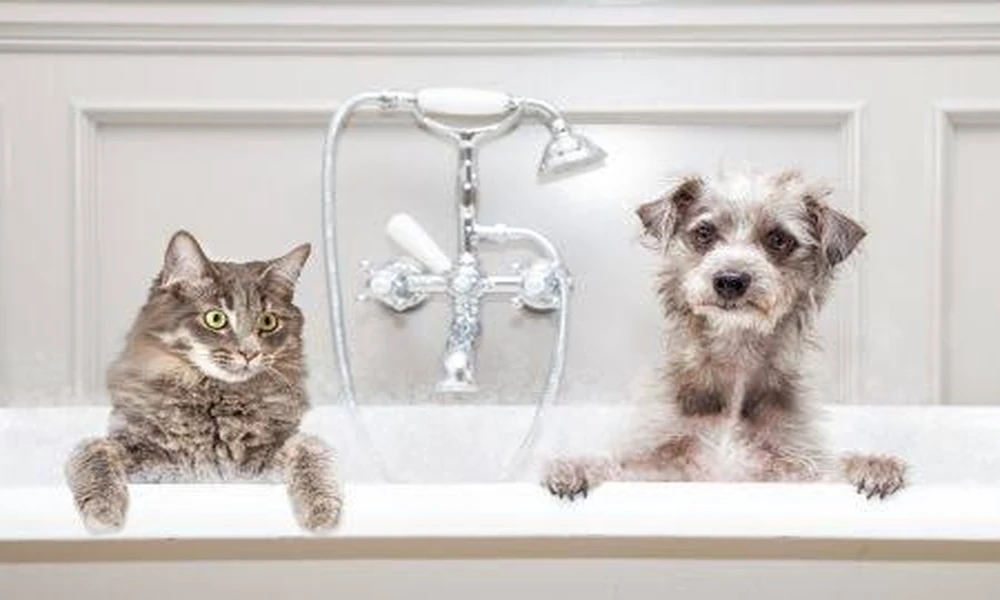
Dog and cat care is the set of daily and routine practices – feeding, grooming, exercise, and medical attention – that keep pets healthy and comfortable. It covers everything from what goes in their bowl to how often they see a vet.
The core difference is that dogs are pack animals who need structured activity and training, while cats are independent hunters who need environmental enrichment more than obedience work. Both need consistent routines to stay physically and mentally well.
Good care isn’t complicated, but it does need to be consistent. Skipping vet visits or feeding inconsistent portions causes more health problems than almost anything else pet owners do wrong.
Daily Care Essentials for Dogs
Dogs need three things every single day: physical exercise, mental engagement, and a consistent feeding schedule. Skip any of these for more than a day or two and behavior problems – chewing, barking, anxiety – tend to follow.
Exercise. Most adult dogs need 30-60 minutes of physical activity daily, split between walks and play. High-energy breeds like Border Collies or Huskies need more; smaller or senior dogs need less but still benefit from short daily walks.
Feeding. Adult dogs typically eat twice a day. Puppies under six months need three to four smaller meals. Portion size depends on weight, breed, and activity level – check the feeding guide on the food packaging and adjust based on your dog’s body condition.
Grooming. Brushing frequency depends on coat type. Short-haired breeds need weekly brushing; long-haired breeds often need it daily to prevent mats. Nails should be trimmed every 3-4 weeks if they don’t wear down naturally.
Training and socialization. Basic obedience commands and regular exposure to new people, pets, and environments reduce anxiety and destructive behavior. This matters most in the first year but stays relevant for a dog’s whole life.
Daily Care Essentials for Cats
Cats need fresh water, a clean litter box, and daily play, even though they’re far less demanding than dogs on the exercise front. Most of their care centers on the home environment rather than outdoor activity.
Litter box maintenance. Scoop the box at least once a day. Cats are highly sensitive to litter box cleanliness, and a dirty box is one of the most common causes of house-soiling issues.
Feeding. Most adult cats do well with two measured meals a day rather than free-feeding, which helps prevent obesity. Cats are obligate carnivores, meaning their diet must be primarily animal protein – unlike dogs, they can’t thrive on a plant-heavy diet.
Play and enrichment. Indoor cats need 15-20 minutes of active play daily using wand toys or puzzle feeders. Without this, boredom often shows up as scratching furniture, overeating, or excessive vocalizing.
Grooming. Cats groom themselves, but long-haired breeds like Persians or Maine Coons still need daily brushing to prevent mats. Short-haired cats usually need brushing just once or twice a week.
Health and Veterinary Care for Both Species
Annual vet visits are the single most effective way to catch health issues before they become serious, for both dogs and cats. Vets check weight, teeth, heart function, and run basic bloodwork that can flag problems years before symptoms appear.
Vaccinations. Core vaccines – rabies, distemper, and parvovirus for dogs; rabies and feline distemper for cats – are required in most regions and should follow your vet’s schedule (American Animal Hospital Association, 2023).
Parasite prevention. Monthly flea, tick, and heartworm prevention is standard for dogs in most climates. Cats, even indoor-only ones, need flea prevention since parasites can enter homes on shoes or other pets.
Dental care. Periodontal disease affects a large share of dogs and cats by age three (American Veterinary Dental College, 2023). Regular brushing and dental-specific treats or diets reduce this risk significantly.
Spaying and neutering. This is typically done between 4-9 months of age and reduces the risk of certain cancers along with unwanted litters.
Common Mistakes to Avoid with Dog and Cat Care
· Free-feeding dry food all day: This leads to obesity in both species. Measure portions and stick to set meal times instead.
· Skipping the litter box scoop: A dirty box is the top cause of cats avoiding it entirely. Scoop daily, no exceptions.
· Delaying vet visits until symptoms appear: Many diseases in dogs and cats are silent early on. Annual checkups catch problems before they’re expensive or dangerous to treat.
· Ignoring dental health: Bad breath in pets is often the first sign of periodontal disease, not just something to tolerate.
· Under-stimulating indoor cats: Boredom in cats shows up as destructive behavior, not laziness. Daily play prevents most of it.
Key Takeaways
· Dogs need daily structured exercise; cats need daily enrichment and a clean litter box.
· Cats require animal-based protein diets; dogs can handle more varied nutrition.
· Annual vet visits, vaccinations, and parasite prevention apply to both species without exception.
· Consistent feeding schedules prevent the most common health issue in both pets: obesity.