
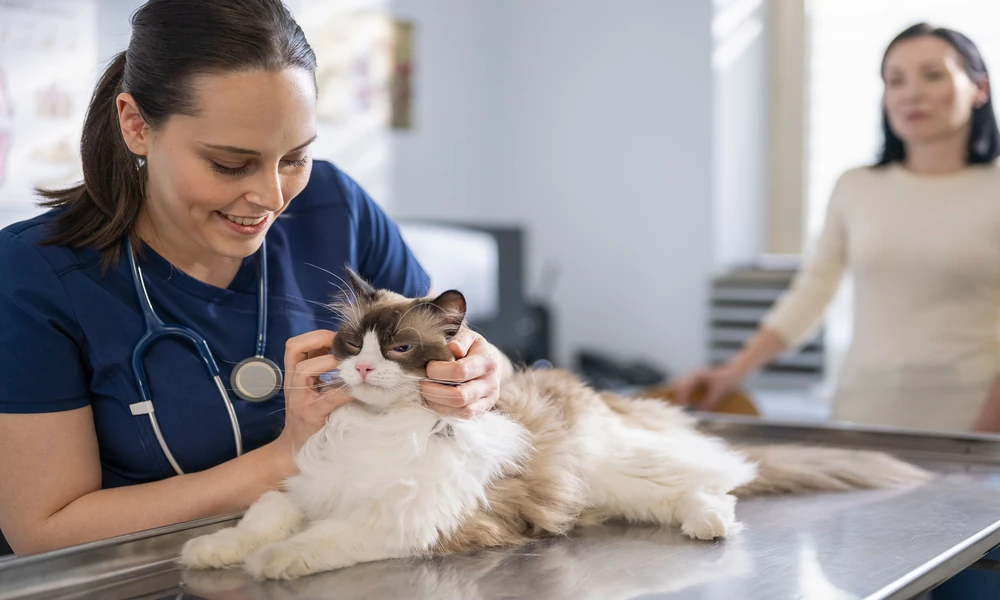
You know your cat’s rhythms better than anyone. You know the sound of their paws in the hallway, the way they ask for food, and the spots where they usually settle down. So when something feels off, even if it seems small at first, it can sit in the back of your mind all day. You might be wondering if you are overreacting, or if waiting until tomorrow is reasonable. That tension is hard, especially when cats are so skilled at hiding pain, which is why access to comprehensive pet care in Midlothian can bring peace of mind.
If you need the short version, here it is. When your cat has trouble breathing, stops eating or drinking, or suddenly hides, cries, or cannot move normally, it may be time to seek care quickly. Those are some of the clearest signs your cat needs emergency care, and getting help early can protect your cat from a much worse outcome.
Is your cat struggling to breathe, and could that mean an animal hospital visit is urgent?
Breathing changes are one of the biggest red flags. If your cat is panting at rest, breathing with an open mouth, stretching their neck to breathe, or using their belly to push air in and out, that is not something to watch for hours at home. Cats do not usually breathe heavily unless something is wrong.
Why does this matter so much? Because breathing trouble can come from asthma, heart disease, fluid around the lungs, trauma, or severe stress. In many of those cases, every minute counts. A cat that seems only a little uncomfortable can decline fast. That is what makes this so unsettling. The line between “maybe they are just tired” and “they need help now” can be thin.
If you are unsure, it helps to know what emergency teams look for. Cornell’s overview of emergency and critical care for pets explains the kind of urgent symptoms that deserve prompt attention. If your cat’s breathing looks different from normal, trust that instinct and call right away.
Has your cat stopped eating, drinking, or using the litter box like usual?
A skipped meal may not sound dramatic, but with cats, appetite changes can signal serious illness. If your cat refuses food, drinks far less than normal, vomits repeatedly, or has not used the litter box the way they usually do, there may be more going on than a simple upset stomach.
This is where many people hesitate, and it makes sense. Cats can be picky. They can turn away from one flavor and beg for another an hour later. But when the change lasts, or comes with drooling, weakness, hiding, or a swollen belly, the risk rises. Dehydration can set in quickly. Urinary blockage, especially in male cats, can become life threatening. Ongoing vomiting can point to toxins, intestinal blockage, kidney trouble, or infection.
So, where does that leave you? It leaves you watching patterns, not just one moment. A cat who misses one snack and then returns to normal is different from a cat who will not eat dinner, ignores water, and crouches near the litter box without producing urine. That second picture calls for fast attention at an animal hospital.
Is your cat hiding, crying out, limping, or acting unlike themselves?
Some of the most important warning signs are behavioral. A friendly cat who suddenly hides under the bed, a quiet cat who starts vocalizing in pain, or an agile cat who can no longer jump onto the couch may be telling you they are suffering. Cats often mask discomfort until they simply cannot anymore.
This can show up in subtle ways. Maybe your cat looks at food but does not eat. Maybe they growl when touched. Maybe they seem confused, weak, or unsteady. Maybe they had a fall, got into medication, or chewed on something toxic. If your cat seems “not like themselves,” do not brush that off. Many owners later say they sensed something was wrong before they could name it.
If you suspect a poisoning, serious injury, collapse, seizure, or other urgent problem, the FDA offers a helpful guide on who to call if you have a pet emergency. Having that information ready can lower panic in a moment when clear steps matter most.
What signs can you watch at home, and when should a cat emergency vet take over?
It helps to separate situations you can monitor briefly from those that deserve immediate care. A simple comparison can make that choice feel less overwhelming.
| What You Notice | May Be Reasonable to Watch Briefly | Time to Contact an Animal Hospital Soon |
|---|---|---|
| Breathing | Mild stress after a short car ride that settles quickly | Open mouth breathing, panting at rest, labored breathing, blue or pale gums |
| Eating and Drinking | Eating a little less for one meal but otherwise acting normal | Refusing food, repeated vomiting, not drinking, signs of dehydration |
| Litter Box | Minor short term change after a routine change at home | Straining, crying in the box, no urine, diarrhea with weakness, blood |
| Behavior | Brief hiding after a loud noise | Sudden collapse, confusion, severe lethargy, pain, aggression when touched |
| Movement | Small stiffness that improves with rest | Limping, inability to stand, dragging limbs, possible trauma |
The point is not to panic over every small change. The point is to notice when symptoms stack up, get worse, or involve breathing, urination, pain, toxins, or sudden weakness. Those are common reasons people seek a cat emergency vet rather than waiting for a routine appointment.
What can you do right now if you are noticing these warning signs?
1. Write down what changed and when. Note when your cat last ate, drank, urinated, or vomited. Count breathing if it seems fast. Take a short video if your cat is limping, panting, or acting strangely. These details help the veterinary team judge urgency.
2. Keep your cat calm and limit extra handling. If your cat is breathing hard or seems painful, avoid forcing food, water, or medication unless a veterinary professional tells you to do so. Place them in a quiet carrier with a soft towel and reduce noise and movement.
3. Call before you drive if you can. A quick phone call helps confirm whether your cat should be seen right away and lets the hospital prepare for your arrival. If your cat is in obvious distress, leave promptly and call on the way if needed.
When your cat is acting strangely, it is easy to second guess yourself. Still, early action often means more options, less suffering, and a better chance of recovery. If you are seeing breathing trouble, major appetite changes, litter box problems, or sudden pain and weakness, do not ignore those signs. The safest next step may be an animal hospital visit soon. Trust what you are seeing, reach out for help, and give your cat the support they may need before things get worse.