
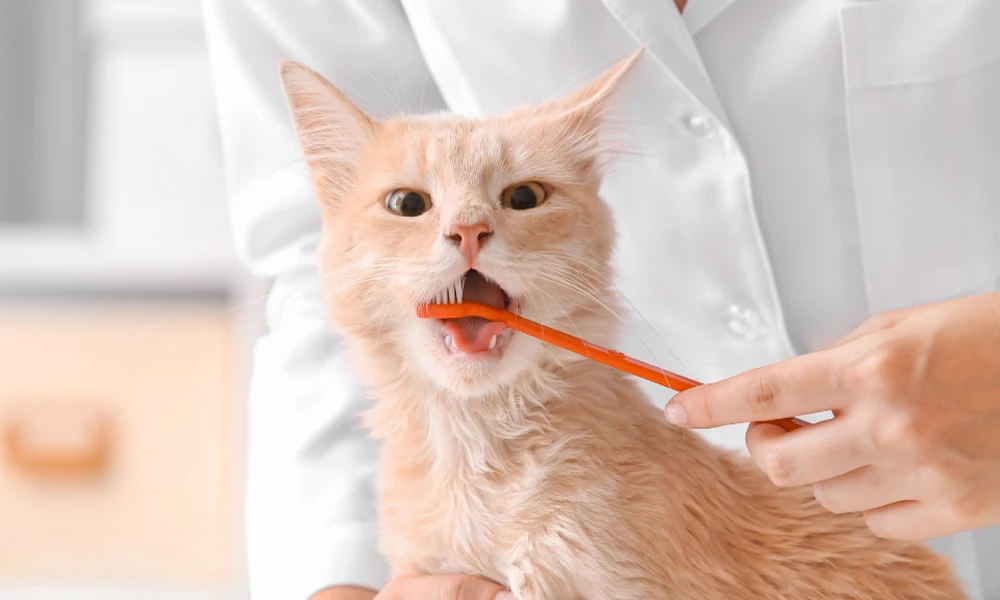
You might not think much about your pet’s teeth until the breath gets hard to ignore, your dog drops kibble on the floor, or your cat starts turning away from food they used to love. It often sneaks up that way. One day everything seems normal, and the next you are wondering whether something painful has been going on for longer than you realized. If that sounds familiar, you are not alone. Pet dental problems are easy to miss, but they can affect comfort, eating, behavior, and even overall health. At a Langley, BC veterinary hospital, the short version is simple. Pet dental care matters because it helps prevent pain, infection, tooth loss, and health problems that reach beyond the mouth.
Why do so many pet owners miss the early signs of dental disease?
Part of the problem is that pets are good at hiding discomfort. A dog may still wag its tail and ask for treats while dealing with sore gums. A cat may keep eating, just more slowly, or chew on one side without making it obvious. Because of that, dental disease often looks smaller than it is.
And yet, dental issues are common. Plaque can harden into tartar, gums can become inflamed, and bacteria can settle below the gumline where you cannot see it. According to Texas A&M Veterinary Medicine, pet dental care is important not only for the mouth, but for the heart, liver, and kidneys as well. That can be unsettling to hear, especially if you thought bad breath was just part of having a pet.
So, where does that leave you? It means small signs deserve attention. Bad breath, red gums, drooling, pawing at the mouth, eating less, or acting withdrawn can all point to trouble. When those signs are ignored, a manageable issue can turn into a painful and expensive one.
What are the 5 reasons dental care should not be overlooked for pets?
First, dental care helps prevent pain that pets often hide. A cracked tooth, infected gum tissue, or loose tooth can make every meal uncomfortable. Your pet may not cry out, but that does not mean it does not hurt.
Second, it protects daily quality of life. When the mouth hurts, pets may stop playing with toys, avoid touch around the face, or lose interest in food. You may notice mood changes before you notice obvious dental symptoms.
Third, it can lower the risk of infection spreading. Bacteria in the mouth do not always stay there. As periodontal disease gets worse, bacteria may enter the bloodstream and affect other parts of the body. That is one reason dental care for pets is about more than clean teeth.
Fourth, it may help you avoid larger treatment costs later. Preventive visits, routine exams, and home care are usually easier on your budget than extractions, advanced infection treatment, or emergency care. What starts as plaque can become a much bigger problem if it is left alone.
Fifth, it supports long term health as part of regular general veterinarian care. Mouth health is tied to eating, comfort, and whole body wellness. When your veterinarian checks the teeth and gums during routine care, they are not just looking for cosmetic issues. They are looking for signs that can affect your pet’s broader health.
How does pet oral health compare to waiting until there is a problem?
It is easy to put off dental care when your pet still seems mostly fine. But waiting often means the disease has more time to progress below the surface. The table below shows why early attention tends to be the easier path.
| Approach | What it Often Looks Like | Likely Outcome |
|---|---|---|
| Routine home brushing and regular vet exams | Mild plaque noticed early, gums checked often, problems found sooner | Better breath, less pain, lower chance of severe periodontal disease |
| Ignoring bad breath or mild gum redness | Tartar buildup, deeper gum inflammation, hidden infection below the gumline | More discomfort, possible tooth loss, more involved treatment later |
| Only seeking help when eating changes | Visible pain, dropped food, pawing at the mouth, advanced disease | Higher treatment needs, possible extractions, greater cost and stress |
The United States Department of Agriculture also notes in its guide on preventive care for periodontal disease in dogs that regular dental care is a key part of prevention. That matters because periodontal disease can start early and progress quietly.
What can you do right now if you are worried about your pet’s teeth?
1. Look for small changes.
Check your pet’s breath, gums, and eating habits. You do not need to force a long exam at home. Just notice what is different. Is the breath suddenly stronger? Are the gums red or swollen? Is your pet chewing more slowly or avoiding hard food? These clues matter.
2. Start simple home care.
If your veterinarian says it is appropriate, begin with pet safe toothpaste and a soft brush or finger brush. Go slowly. A few calm seconds is enough at first. The goal is to build a habit, not win a battle. Never use human toothpaste, since it can contain ingredients that are not safe for pets.
3. Schedule a veterinary dental check.
If you see warning signs, or if it has been a while since your pet’s last exam, a veterinary visit is the best next step. A general veterinarian can assess the teeth, gums, and signs of deeper disease, then help you decide whether your pet needs routine cleaning, home care support, or further treatment.
What should you remember about keeping your pet’s mouth healthy?
It is easy to feel guilty when you realize a dental problem may have been building for a while, but guilt does not help your pet. Action does. Paying attention now can spare them pain and help protect their overall health. That is the heart of the 5 reasons dental care shouldn’t be overlooked for pets. It is not just about fresh breath. It is about comfort, prevention, and catching problems before they grow.
If your pet has bad breath, trouble eating, or signs of mouth discomfort, consider making dental health part of their regular care plan with a general veterinarian. A small step now can make daily life easier for your pet and give you more peace of mind.